Bills · HR 5976
IN COMMITTEE· 119TH CONGRESS
House BillHR 5976Immigration
To protect collective self-determination and individual rights under Federal statutes conferring nationality on persons born and residing in the territory of American Samoa, to enable subsequent elective United States citizenship upon application of such persons residing in a State or in a territory subject to sections 301 through 308 of the Immigration and Nationality Act, and for other purposes.
INTRO NOV 7· LAST ACTION NOV 7
READING
2MIN
COSPONSORS
0
READER REACTIONS0 TOTAL
NO VOTES YET · BE THE FIRST
- Introduced only
LEGISLATIVE PROGRESS
STEP 2 / 8Introduced
In Committee
Reported
Passed House
Passed Senate
Conference
To President
Became Law
WHAT THE BILL DOES
AI-writtenThis bill matters because it addresses a unique and long-standing legal status for people born in American Samoa. Unlike residents of other U.S. territories like Puerto Rico or Guam, American Samoans are designated as U.S. nationals but not U.S. citizens. This means they are loyal to the U.S., carry U.S. passports, and can serve in the military, but they lack fundamental rights that citizens possess, such as voting in federal elections or holding certain federal offices.
If this bill becomes law, it provides a pathway to full U.S. citizenship for those who choose it, removing a form of second-class status that has been a subject of legal challenges and debate. It ensures that American Samoans who move to a U.S. state or another territory can more easily achieve equal rights. If it doesn't become law, the unique 'national but not citizen' status will continue, potentially perpetuating disparities in rights and opportunities for people born in American Samoa.
KEY PROVISIONS
3AI-extractedPROVISION 01
Allows U.S. nationals born in American Samoa, residing in a U.S. state or certain U.S. territories, to elect U.S. citizenship when applying for a passport.
This provision creates a straightforward path for individuals to gain full U.S. citizenship and its associated rights, addressing their current unique legal status.
PROVISION 02
Amends Section 341(b) of the Immigration and Nationality Act to specify that a national may receive a passport identifying them as both a national and a citizen upon request.
This legally defines the new elective citizenship process within existing immigration law, clarifying how citizenship can be acquired.
PROVISION 03
Repeals Section 325 of the Immigration and Nationality Act, which dealt with the naturalization of persons who are nationals but not citizens.
This removes a previous, potentially more complex, naturalization process, indicating the new passport-based election process is intended to be the primary method.
SPONSORSHIP
1 + 0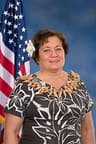
R· American Samoa
YRS IN OFFICE
11
BILLS LED
8
ACTION TIMELINE
2 EVENTSNOV 7
Introduced in House
NOV 7
Referred to the House Committee on the Judiciary.
BILL INFO
TypeHouse Bill
NumberHR 5976
Congress119th
StatusIn Committee
IntroducedNov 7, 2025
Last actionNov 7, 2025
READER REACTIONS
OVERALL SENTIMENT
No reactions yet. Be the first to weigh in.
Discussion
Loading comments...
IN COMMITTEE· 119TH CONGRESS · JUDICIARY COMMITTEE · INTRODUCED NOV 7, 2025
House BillHR 5976Immigration
To protect collective self-determination and individual rights under Federal statutes conferring nationality on persons born and residing in the territory of American Samoa, to enable subsequent elective United States citizenship upon application of such persons residing in a State or in a territory subject to sections 301 through 308 of the Immigration and Nationality Act, and for other purposes.
INTRODUCED NOV 7, 2025· LAST ACTION NOV 7, 2025
PASSAGE CHANCES
—%
READING
2 min
COSPONSORS
0
COMPLEXITY
Moderate