Bills · HR 5925
IN COMMITTEE· 119TH CONGRESS
House BillHR 5925Health
HHS Reproductive and Sexual Health Ombuds Act of 2025
INTRO NOV 4· LAST ACTION NOV 4
READING
5MIN
COSPONSORS
5
READER REACTIONS0 TOTAL
NO VOTES YET · BE THE FIRST
- Introduced only
LEGISLATIVE PROGRESS
STEP 2 / 8Introduced
In Committee
Reported
Passed House
Passed Senate
Conference
To President
Became Law
WHAT THE BILL DOES
AI-writtenThis bill matters because it seeks to establish a dedicated federal resource to tackle common challenges people face when navigating reproductive and sexual health services. In a landscape often complicated by widespread misinformation, a centralized, evidence-based source of information could empower individuals to make informed decisions about their health. If this bill becomes law, it would create a specific office tasked with actively identifying and closing gaps in access and insurance coverage, potentially improving healthcare equity, especially for vulnerable populations who frequently struggle to find or afford necessary care.
If this bill does not pass, the responsibility for providing comprehensive, centralized information and assistance on these topics would continue to be dispersed among various government agencies, non-profits, and private organizations. This fragmented approach could leave many individuals without a clear, independent resource to turn to for accurate information or help with access issues, and there would be no single federal office explicitly focused on combating reproductive and sexual health misinformation or analyzing nationwide access.
KEY PROVISIONS
5AI-extractedPROVISION 01
Establishes an Ombuds for Reproductive and Sexual Health within the Department of Health and Human Services.
Creates a specific federal position and office dedicated solely to addressing reproductive and sexual health issues for the public.
PROVISION 02
Requires the Ombuds to have expertise in sexual and reproductive health, including a commitment to care for marginalized groups and abortion services.
Ensures the individual in this role possesses relevant qualifications and a specific focus on equitable access to a broad range of services for underserved populations.
PROVISION 03
Directs the Ombuds to educate the public with evidence-based information, analyze data on consumer access, and gather information on health plan coverage gaps.
Aims to combat misinformation and provide a clear, comprehensive understanding of service availability and coverage challenges across the country.
PROVISION 04
Tasks the Ombuds with disseminating information about connecting with various healthcare providers, including abortion funds and clinics, and addressing misinformation.
Helps individuals find necessary services and actively works to counter the spread of false information in a critical area of public health.
PROVISION 05
Ensures the Ombuds's office has organizational independence, sufficient staffing, and reports directly to the Secretary of HHS.
Aims to make the Ombuds effective, well-resourced, and free from undue influence within the department, enhancing its ability to serve the public.
SPONSORSHIP
1 + 5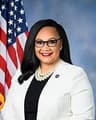
D· Georgia
YRS IN OFFICE
5
BILLS LED
58
COSPONSOR BREAKDOWNBIPARTISAN · 0%
DEM 5 REP 0 IND 0
ACTION TIMELINE
2 EVENTSNOV 4
Introduced in House
NOV 4
Referred to the House Committee on Energy and Commerce.
BILL INFO
TypeHouse Bill
NumberHR 5925
Congress119th
StatusIn Committee
IntroducedNov 4, 2025
Last actionNov 4, 2025
READER REACTIONS
OVERALL SENTIMENT
No reactions yet. Be the first to weigh in.
Discussion
Loading comments...
IN COMMITTEE· 119TH CONGRESS · ENERGY AND COMMERCE COMMITTEE · INTRODUCED NOV 4, 2025
House BillHR 5925Health
HHS Reproductive and Sexual Health Ombuds Act of 2025
INTRODUCED NOV 4, 2025· LAST ACTION NOV 4, 2025
PASSAGE CHANCES
—%
READING
5 min
COSPONSORS
5
COMPLEXITY
Moderate