Bills · HR 5917
IN COMMITTEE· 119TH CONGRESS
House BillHR 5917Foreign Trade and International Finance
To authorize the extension of nondiscriminatory treatment (normal trade relations treatment) to products of certain countries.
INTRO NOV 4· LAST ACTION NOV 4
READING
1MIN
COSPONSORS
5BIPARTISAN
READER REACTIONS0 TOTAL
NO VOTES YET · BE THE FIRST
- Introduced only
LEGISLATIVE PROGRESS
STEP 2 / 8Introduced
In Committee
Reported
Passed House
Passed Senate
Conference
To President
Became Law
WHAT THE BILL DOES
AI-writtenThis bill matters because it significantly changes how the U.S. conducts trade and uses its trade policy as a tool for international relations. If this bill becomes law, the President could more easily lower tariffs on goods from many countries, which could lead to cheaper imported products for American shoppers and businesses, from electronics to clothing.
However, it also removes a long-standing tool the U.S. has used to pressure countries on human rights issues, specifically related to emigration. This could shift the balance between economic interests and human rights considerations in foreign policy. If it doesn't pass, the existing framework of Title IV and its conditions would remain in place for countries currently subject to it, meaning the President would continue to face those requirements before granting normal trade status.
KEY PROVISIONS
3AI-extractedPROVISION 01
Grants the President the authority to determine that Title IV of the Trade Act of 1974 should no longer apply to a "covered country."
This shifts decision-making power to the President regarding trade relations with many nations, allowing a more flexible approach than the existing law.
PROVISION 02
Authorizes the President to then extend "nondiscriminatory treatment" (normal trade relations status) to products from a country once Title IV no longer applies to it.
This would result in lower tariffs on goods from those countries, potentially affecting consumer prices and the competitiveness of imported products.
PROVISION 03
Defines "covered country" as any country in the world, with the specific exceptions of Belarus, Cuba, and North Korea.
This clearly specifies which countries will remain subject to existing, more restrictive trade rules and which can potentially benefit from this new authority.
SPONSORSHIP
1 + 5
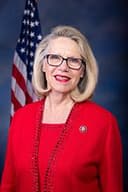
R· West Virginia
YRS IN OFFICE
7
BILLS LED
30
COSPONSOR BREAKDOWNBIPARTISAN · 80%
DEM 2 REP 3 IND 0
ACTION TIMELINE
2 EVENTSNOV 4
Introduced in House
NOV 4
Referred to the House Committee on Ways and Means.
BILL INFO
TypeHouse Bill
NumberHR 5917
Congress119th
StatusIn Committee
IntroducedNov 4, 2025
Last actionNov 4, 2025
READER REACTIONS
OVERALL SENTIMENT
No reactions yet. Be the first to weigh in.
Discussion
Loading comments...
IN COMMITTEE· 119TH CONGRESS · WAYS AND MEANS COMMITTEE · INTRODUCED NOV 4, 2025
House BillHR 5917Foreign Trade and International Finance
To authorize the extension of nondiscriminatory treatment (normal trade relations treatment) to products of certain countries.
INTRODUCED NOV 4, 2025· LAST ACTION NOV 4, 2025
PASSAGE CHANCES
—%
READING
1 min
COSPONSORS
5
COMPLEXITY
Moderate