Bills · HR 5902
IN COMMITTEE· 119TH CONGRESS
House BillHR 5902Agriculture and Food
Innovative Practices for Soil Health Act of 2025
INTRO NOV 4· LAST ACTION DEC 5
READING
10MIN
COSPONSORS
2BIPARTISAN
READER REACTIONS0 TOTAL
NO VOTES YET · BE THE FIRST
- Introduced only
LEGISLATIVE PROGRESS
STEP 2 / 8Introduced
In Committee
Reported
Passed House
Passed Senate
Conference
To President
Became Law
WHAT THE BILL DOES
AI-writtenThis bill matters because it directly connects federal farm support to critical environmental goals, particularly addressing climate change and promoting sustainable agriculture. If it becomes law, farmers will have stronger incentives and more options to adopt practices that build healthy soil, which can improve crop resilience, reduce the need for certain inputs, and store more carbon from the atmosphere. This means more effective government spending on conservation, potentially leading to better environmental outcomes for everyone, such as cleaner water, healthier ecosystems, and a more stable climate.
If the bill doesn't become law, the existing USDA conservation programs would continue without these specific updates. Farmers might have fewer pathways or less direct financial support for practices that specifically target carbon sequestration and greenhouse gas reductions, and the programs might not as strongly prioritize comprehensive soil health and climate benefits when evaluating applications. This could slow the adoption of some innovative, climate-friendly farming methods and reduce the overall environmental impact of federal conservation efforts.
KEY PROVISIONS
5AI-extractedPROVISION 01
Adds "greenhouse gas emissions reduction planning" and "perennial production systems" (like agroforestry) as eligible conservation practices under EQIP.
This broadens the scope of supported activities to directly address climate change and promote long-term, sustainable land use.
PROVISION 02
Amends the Conservation Stewardship Program (CSP) to explicitly include "climate change" as a resource concern and prioritizes contract offers that target improvements to soil health, carbon sequestration, and greenhouse gas emission reductions.
This directly aligns a major conservation program with climate goals, encouraging farmers to adopt practices that have a significant environmental impact.
PROVISION 03
Expands the types of costs considered for Conservation Stewardship payments to include income lost due to increased economic risk, production changes, anticipated yield reductions, and transitioning to organic, resource-conserving, or perennial production systems.
This makes it financially more feasible for farmers to adopt transformative, long-term sustainable practices, addressing a major barrier to adoption.
PROVISION 04
Allows for renewal of CSP contracts based on continued compliance, integration of new conservation activities, and meeting additional resource concerns, while considering the full conservation benefits.
This encourages ongoing, evolving conservation efforts rather than one-time adoption, fostering continuous improvement in land stewardship.
PROVISION 05
Defines "resource concern" more broadly and consistently across both programs to mean a natural resource condition impairing sustainability or intended uses of soil, water, air, plant, animal, or energy.
This creates a clearer and more comprehensive framework for identifying and addressing environmental issues through conservation programs.
SPONSORSHIP
1 + 2
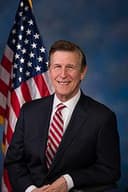
D· Virginia
YRS IN OFFICE
11
BILLS LED
63
COSPONSOR BREAKDOWNBIPARTISAN · 100%
DEM 1 REP 1 IND 0
ACTION TIMELINE
4 EVENTSDEC 5
Referred to the Subcommittee on Conservation, Research, and Biotechnology.
NOV 4
Introduced in House
NOV 4
Referred to the House Committee on Agriculture.
NOV 4
Referred to the House Committee on Agriculture.
BILL INFO
TypeHouse Bill
NumberHR 5902
Congress119th
StatusIn Committee
IntroducedNov 4, 2025
Last actionDec 5, 2025
READER REACTIONS
OVERALL SENTIMENT
No reactions yet. Be the first to weigh in.
Discussion
Loading comments...
IN COMMITTEE· 119TH CONGRESS · AGRICULTURE COMMITTEE · INTRODUCED NOV 4, 2025
House BillHR 5902Agriculture and Food
Innovative Practices for Soil Health Act of 2025
INTRODUCED NOV 4, 2025· LAST ACTION DEC 5, 2025
PASSAGE CHANCES
—%
READING
10 min
COSPONSORS
2
COMPLEXITY
Moderate