Bills · HR 5596
IN COMMITTEE· 119TH CONGRESS
House BillHR 5596Labor and Employment
FARMS Act
INTRO SEP 26· LAST ACTION SEP 26
READING
2MIN
COSPONSORS
12
READER REACTIONS0 TOTAL
NO VOTES YET · BE THE FIRST
- Introduced only
LEGISLATIVE PROGRESS
STEP 2 / 8Introduced
In Committee
Reported
Passed House
Passed Senate
Conference
To President
Became Law
WHAT THE BILL DOES
AI-writtenThis bill matters because it directly impacts labor costs for a significant segment of the agricultural industry and the wages of many foreign workers who harvest crops in the U.S. If it becomes law and the Secretary of Labor freezes the wage rate, it could provide financial predictability and potentially relief for farmers facing rising labor costs, which might influence food prices or the competitiveness of American agriculture.
However, it also means that H-2A workers would not see their minimum wage increase for two years, even if economic factors or a different calculation method would normally suggest a higher wage. If the bill does not become law, the Department of Labor would continue to calculate and update the Adverse Effect Wage Rate using existing methods, which typically results in annual adjustments.
KEY PROVISIONS
3AI-extractedPROVISION 01
Authorizes the Secretary of Labor to keep the Adverse Effect Wage Rate (AEWR) at its current level for two years.
This directly enables a temporary freeze on the minimum wage for H-2A agricultural workers, affecting labor costs for farmers and earnings for workers.
PROVISION 02
This authority can only be exercised if the Secretary of Labor determines that there is no valid method to calculate a new AEWR.
This condition sets the specific circumstances under which the wage freeze can be implemented, indicating it's not an automatic or indefinite pause.
PROVISION 03
The wage freeze applies specifically to nonimmigrant workers admitted under the H-2A agricultural worker visa program.
This clarifies the specific group of workers and employers whose wages and labor costs would be affected by the bill.
SPONSORSHIP
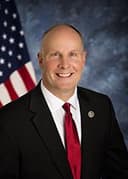
1 + 12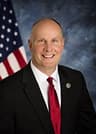
R· Michigan
YRS IN OFFICE
11
BILLS LED
49
COSPONSOR BREAKDOWNBIPARTISAN · 0%
DEM 0 REP 12 IND 0
ACTION TIMELINE
2 EVENTSSEP 26
Introduced in House
SEP 26
Referred to the House Committee on the Judiciary.
BILL INFO
TypeHouse Bill
NumberHR 5596
Congress119th
StatusIn Committee
IntroducedSep 26, 2025
Last actionSep 26, 2025
READER REACTIONS
OVERALL SENTIMENT
No reactions yet. Be the first to weigh in.
Discussion
Loading comments...
IN COMMITTEE· 119TH CONGRESS · JUDICIARY COMMITTEE · INTRODUCED SEP 26, 2025
House BillHR 5596Labor and Employment
FARMS Act
INTRODUCED SEP 26, 2025· LAST ACTION SEP 26, 2025
PASSAGE CHANCES
—%
READING
2 min
COSPONSORS
12
COMPLEXITY
Moderate