Bills · HR 5523
IN COMMITTEE· 119TH CONGRESS
House BillHR 5523Transportation and Public Works
Let Experienced Pilots Fly Act of 2025
INTRO SEP 19· LAST ACTION SEP 20
READING
4MIN
COSPONSORS
3
READER REACTIONS0 TOTAL
NO VOTES YET · BE THE FIRST
- Introduced only
LEGISLATIVE PROGRESS
STEP 2 / 8Introduced
In Committee
Reported
Passed House
Passed Senate
Conference
To President
Became Law
WHAT THE BILL DOES
AI-writtenThis bill matters because it directly addresses the age at which highly experienced commercial pilots must stop flying. If this bill becomes law, it means that pilots who are currently 65 will not be forced to retire and can continue to work for two more years. This could help airlines keep more experienced pilots in their cockpits, which might be beneficial during times of pilot shortages, ensuring there are enough qualified individuals to fly commercial planes.
If the bill doesn't pass, the current retirement age of 65 would remain, meaning a pool of experienced pilots would continue to leave the workforce at that age. Voters should care because changes to pilot retirement ages can impact airline operations, potentially influencing flight availability, safety perceptions, and the cost of air travel, all of which affect the general public.
KEY PROVISIONS
4AI-extractedPROVISION 01
Raises the mandatory retirement age for commercial airline pilots in most multi-crew operations from 65 to 67 years old.
This allows experienced pilots to continue their careers for longer, potentially addressing pilot shortages and retaining valuable expertise.
PROVISION 02
Allows pilots who are already over 65 when the bill is passed to return to flying until age 67.
This provision enables a immediate return of qualified, experienced pilots to the workforce, providing an immediate boost to available pilot numbers.
PROVISION 03
Requires pilots over 60 to hold a first-class medical certificate that expires every six months, but generally prevents different medical standards solely based on age unless safety is proven to be at risk by new data.
This balances the desire to keep older pilots flying with continued rigorous oversight of their health to ensure flight safety.
PROVISION 04
Directs the FAA Administrator to submit a report to Congress within 180 days on the feasibility of further increasing the pilot age limitation.
This mandates an official review and potential future policy considerations regarding pilot age limits, indicating a long-term look at the issue.
SPONSORSHIP
1 + 3
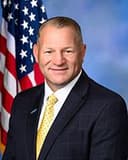
R· Texas
YRS IN OFFICE
5
BILLS LED
31
COSPONSOR BREAKDOWNBIPARTISAN · 0%
DEM 0 REP 3 IND 0
ACTION TIMELINE
3 EVENTSSEP 20
Referred to the Subcommittee on Aviation.
SEP 19
Introduced in House
SEP 19
Referred to the House Committee on Transportation and Infrastructure.
BILL INFO
TypeHouse Bill
NumberHR 5523
Congress119th
StatusIn Committee
IntroducedSep 19, 2025
Last actionSep 20, 2025
READER REACTIONS
OVERALL SENTIMENT
No reactions yet. Be the first to weigh in.
Discussion
Loading comments...
IN COMMITTEE· 119TH CONGRESS · TRANSPORTATION AND INFRASTRUCTURE COMMITTEE · INTRODUCED SEP 19, 2025
House BillHR 5523Transportation and Public Works
Let Experienced Pilots Fly Act of 2025
INTRODUCED SEP 19, 2025· LAST ACTION SEP 20, 2025
PASSAGE CHANCES
—%
READING
4 min
COSPONSORS
3
COMPLEXITY
Moderate