Bills · HR 546
IN COMMITTEE· 119TH CONGRESS
House BillHR 546Law enforcement administration and fundingMotor vehicles
Investing in Safer Traffic Stops Act of 2025
INTRO JAN 16· LAST ACTION JAN 17
READING
2MIN
COSPONSORS
0
READER REACTIONS0 TOTAL
NO VOTES YET · BE THE FIRST
- Introduced only
LEGISLATIVE PROGRESS
STEP 2 / 8Introduced
In Committee
Reported
Passed House
Passed Senate
Conference
To President
Became Law
WHAT THE BILL DOES
AI-writtenVoters should care about this bill because it could fundamentally change how traffic laws are enforced in their communities. If this bill becomes law and is widely adopted, routine interactions with police during traffic stops, which can sometimes escalate or contribute to public mistrust, would be reduced. Instead, these interactions would be handled by civilians or technology, potentially leading to safer encounters and fewer instances of serious incidents.
This shift could free up police officers to concentrate on violent crime, emergency responses, and other critical public safety issues, potentially improving overall community safety. It also raises questions about the training and authority of civilian enforcers and the reliability of traffic monitoring technology. Without this bill, traffic enforcement would continue largely as it is today, with sworn law enforcement officers primarily responsible for issuing traffic citations.
KEY PROVISIONS
4AI-extractedPROVISION 01
Establishes a grant program for civilian traffic violation enforcement.
This creates a funding mechanism for local governments to transition away from traditional police-led traffic stops.
PROVISION 02
Allows grant funds to be used to hire civilians or purchase traffic monitoring technology.
This specifies the exact ways in which the funds can be used to implement civilian-led or technology-based enforcement.
PROVISION 03
Defines a "civilian" as an individual employed to enforce traffic laws who is not a law enforcement officer.
This clarifies who would be carrying out these enforcement duties, distinguishing them from traditional police officers.
PROVISION 04
Authorizes $100,000,000 for each fiscal year from 2026 through 2031 for the program.
This provides significant funding to kickstart and maintain the program for several years, indicating a serious commitment to the initiative.
SPONSORSHIP
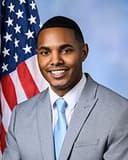
1 + 0
D· New York
YRS IN OFFICE
5
BILLS LED
52
ACTION TIMELINE
3 EVENTSJAN 17
Referred to the Subcommittee on Highways and Transit.
JAN 16
Introduced in House
JAN 16
Referred to the Committee on the Judiciary, and in addition to the Committee on Transportation and Infrastructure, for a period to be subsequently determined by the Speaker, in each case for consideration of such provisions as fall within the jurisdiction of the committee concerned.
BILL INFO
TypeHouse Bill
NumberHR 546
Congress119th
StatusIn Committee
IntroducedJan 16, 2025
Last actionJan 17, 2025
READER REACTIONS
OVERALL SENTIMENT
No reactions yet. Be the first to weigh in.
Discussion
Loading comments...
IN COMMITTEE· 119TH CONGRESS · TRANSPORTATION AND INFRASTRUCTURE COMMITTEE · INTRODUCED JAN 16, 2025
House BillHR 546Law enforcement administration and fundingMotor vehicles
Investing in Safer Traffic Stops Act of 2025
INTRODUCED JAN 16, 2025· LAST ACTION JAN 17, 2025
PASSAGE CHANCES
—%
READING
2 min
COSPONSORS
0
COMPLEXITY
Moderate