Bills · HR 5405
IN COMMITTEE· 119TH CONGRESS
House BillHR 5405Economics and Public Finance
Government Shutdown Prevention Act of 2025
INTRO SEP 16· LAST ACTION SEP 16
READING
5MIN
COSPONSORS
0
READER REACTIONS0 TOTAL
NO VOTES YET · BE THE FIRST
- Introduced only
LEGISLATIVE PROGRESS
STEP 2 / 8Introduced
In Committee
Reported
Passed House
Passed Senate
Conference
To President
Became Law
WHAT THE BILL DOES
AI-writtenThis bill tackles a recurring and disruptive problem in American politics: government shutdowns. These shutdowns have real-world consequences, from federal employees missing paychecks and struggling to make ends meet, to delays in processing passports, veterans' benefits, and critical scientific research.
If this bill becomes law, it would prevent the immediate chaos and economic harm caused by shutdowns, providing stability for federal workers and the public. However, by automatically reducing funding over time, it creates a strong incentive for Congress to pass regular appropriation bills rather than relying on stop-gap measures. If it doesn't become law, the current system remains, leaving the door open for future shutdowns and the associated economic and social costs every time Congress fails to reach a budget agreement.
KEY PROVISIONS
5AI-extractedPROVISION 01
Automatically provides temporary funding for federal programs if Congress fails to pass regular appropriations by the start of a new fiscal year.
This prevents government shutdowns and ensures essential services continue without interruption.
PROVISION 02
Initial automatic funding is set at 94% of the previous year's operational rate for most programs.
This provides a functional budget for agencies while creating an incentive for Congress to pass full appropriations to restore funding levels.
PROVISION 03
Funding levels are further reduced by 1 percentage point for every 90 days that Congress fails to pass a full budget.
This escalates the pressure on lawmakers to act quickly and avoid prolonged reliance on the automatic mechanism.
PROVISION 04
Mandatory payments, like entitlements, are funded at the rate necessary to maintain current program levels.
This ensures critical social programs and benefits are not impacted by the automatic cuts, protecting vulnerable populations.
PROVISION 05
Prohibits new grants or high initial rates of spending for programs during automatic funding periods.
This prevents agencies from making long-term commitments or front-loading funds that could limit Congress's final budget decisions.
SPONSORSHIP
1 + 0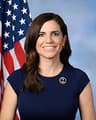
R· South Carolina
YRS IN OFFICE
5
BILLS LED
103
ACTION TIMELINE
2 EVENTSSEP 16
Introduced in House
SEP 16
Referred to the House Committee on Appropriations.
BILL INFO
TypeHouse Bill
NumberHR 5405
Congress119th
StatusIn Committee
IntroducedSep 16, 2025
Last actionSep 16, 2025
READER REACTIONS
OVERALL SENTIMENT
No reactions yet. Be the first to weigh in.
Discussion
Loading comments...
IN COMMITTEE· 119TH CONGRESS · APPROPRIATIONS COMMITTEE · INTRODUCED SEP 16, 2025
House BillHR 5405Economics and Public Finance
Government Shutdown Prevention Act of 2025
INTRODUCED SEP 16, 2025· LAST ACTION SEP 16, 2025
PASSAGE CHANCES
—%
READING
5 min
COSPONSORS
0
COMPLEXITY
Moderate