Bills · HR 5377
IN COMMITTEE· 119TH CONGRESS
House BillHR 5377Health
Rural Health Training Opportunities Act
INTRO SEP 16· LAST ACTION SEP 16
READING
3MIN
COSPONSORS
0
READER REACTIONS0 TOTAL
NO VOTES YET · BE THE FIRST
- Introduced only
LEGISLATIVE PROGRESS
STEP 2 / 8Introduced
In Committee
Reported
Passed House
Passed Senate
Conference
To President
Became Law
WHAT THE BILL DOES
AI-writtenThis bill matters because many rural areas across the country face significant shortages of healthcare professionals and often lack sufficient access to job training programs. It aims to directly address these issues by directing federal resources to where they are most needed in these underserved communities.
Furthermore, a major barrier for people in rural areas to access education and employment is often the lack of reliable transportation. By requiring grant-funded programs to offer transportation assistance, the bill removes a practical hurdle that prevents many from pursuing stable healthcare careers. If this bill becomes law, it could lead to an increase in healthcare workers in rural areas, improving local healthcare services and creating economic opportunities. If it doesn't pass, existing disparities in healthcare workforce and training access in rural communities may persist.
KEY PROVISIONS
4AI-extractedPROVISION 01
The Secretary shall give preference to applications for Health Profession Opportunity Grants that describe a project serving a rural area.
This provision directs federal funding towards addressing healthcare workforce needs in underserved rural communities.
PROVISION 02
Projects receiving these grants must include a plan to provide participants with transportation assistance.
This directly tackles a major barrier for individuals in rural areas trying to access training and employment opportunities.
PROVISION 03
Transportation assistance can include referrals to subsidized programs or direct payments for costs like public transit or gasoline.
This offers practical and flexible options to help participants overcome transportation challenges.
PROVISION 04
The Secretary must submit regular reports to Congress on grant applications, approvals, and the effectiveness of rural projects in addressing workforce shortages.
This ensures accountability and allows Congress to monitor the impact and success of the new rural focus.
SPONSORSHIP
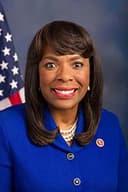
1 + 0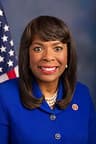
D· Alabama
YRS IN OFFICE
15
BILLS LED
15
ACTION TIMELINE
2 EVENTSSEP 16
Introduced in House
SEP 16
Referred to the House Committee on Ways and Means.
BILL INFO
TypeHouse Bill
NumberHR 5377
Congress119th
StatusIn Committee
IntroducedSep 16, 2025
Last actionSep 16, 2025
READER REACTIONS
OVERALL SENTIMENT
No reactions yet. Be the first to weigh in.
Discussion
Loading comments...
IN COMMITTEE· 119TH CONGRESS · WAYS AND MEANS COMMITTEE · INTRODUCED SEP 16, 2025
House BillHR 5377Health
Rural Health Training Opportunities Act
INTRODUCED SEP 16, 2025· LAST ACTION SEP 16, 2025
PASSAGE CHANCES
—%
READING
3 min
COSPONSORS
0
COMPLEXITY
Moderate