Bills · HR 5364
IN COMMITTEE· 119TH CONGRESS
House BillHR 5364Health
STOP FRAUD in Medicaid Act
INTRO SEP 15· LAST ACTION SEP 15
READING
1MIN
COSPONSORS
9
READER REACTIONS0 TOTAL
NO VOTES YET · BE THE FIRST
- Introduced only
LEGISLATIVE PROGRESS
STEP 2 / 8Introduced
In Committee
Reported
Passed House
Passed Senate
Conference
To President
Became Law
WHAT THE BILL DOES
AI-writtenThis bill matters because it changes the focus and responsibilities of state-level teams tasked with fighting Medicaid fraud. Currently, these units largely concentrate on fraud committed by healthcare providers. If this bill passes, they would be required to also target individuals who commit fraud related to applying for or receiving Medicaid benefits.
For voters, this means a shift in how taxpayer money is protected within the Medicaid program. If the bill becomes law, there could be more investigations and prosecutions for individual Medicaid fraud, potentially leading to fewer improper payments. If it doesn't pass, state fraud units will likely continue their primary focus on provider fraud, with beneficiary fraud potentially addressed less comprehensively or by other agencies.
KEY PROVISIONS
3AI-extractedPROVISION 01
The bill directs State Medicaid Fraud Control Units (MFCUs) to investigate and prosecute fraud committed by individuals applying for or receiving Medicaid benefits.
This provision significantly expands the mandated responsibilities of state fraud units to include beneficiary fraud, which was not their explicit primary focus before.
PROVISION 02
It amends sections of the Social Security Act to include "application for, or receipt of" Medicaid services as areas subject to MFCU investigation and prosecution.
This change in legal language provides the explicit statutory basis for MFCUs to pursue fraud related to an individual's enrollment in or use of Medicaid.
PROVISION 03
The new requirements for MFCUs will become effective 180 days after the bill is signed into law.
This allows states a six-month period to adjust their operations, allocate resources, and prepare for the expanded scope of their fraud control units.
SPONSORSHIP
1 + 9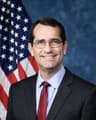
R· Kansas
YRS IN OFFICE
1
BILLS LED
17
COSPONSOR BREAKDOWNBIPARTISAN · 0%
DEM 0 REP 9 IND 0
ACTION TIMELINE
2 EVENTSSEP 15
Introduced in House
SEP 15
Referred to the House Committee on Energy and Commerce.
BILL INFO
TypeHouse Bill
NumberHR 5364
Congress119th
StatusIn Committee
IntroducedSep 15, 2025
Last actionSep 15, 2025
READER REACTIONS
OVERALL SENTIMENT
No reactions yet. Be the first to weigh in.
Discussion
Loading comments...
IN COMMITTEE· 119TH CONGRESS · ENERGY AND COMMERCE COMMITTEE · INTRODUCED SEP 15, 2025
House BillHR 5364Health
STOP FRAUD in Medicaid Act
INTRODUCED SEP 15, 2025· LAST ACTION SEP 15, 2025
PASSAGE CHANCES
—%
READING
1 min
COSPONSORS
9
COMPLEXITY
Moderate