Bills · HR 5299
REPORTED· 119TH CONGRESS
House BillHR 5299SecuritiesStrategic materials and reserves
DFC Modernization Act of 2025
INTRO SEP 11· LAST ACTION SEP 18
READING
13MIN
COSPONSORS
0
READER REACTIONS0 TOTAL
NO VOTES YET · BE THE FIRST
- Reported, not passed
LEGISLATIVE PROGRESS
STEP 3 / 8Introduced
In Committee
Reported
Passed House
Passed Senate
Conference
To President
Became Law
WHAT THE BILL DOES
AI-writtenVoters should care about this bill because it aims to make American foreign policy and economic influence more robust on the global stage. By allowing the DFC to take on more risk and invest in a broader range of countries, including high-income ones, the U.S. can better compete with countries like China and Russia that are actively investing in infrastructure and critical resources worldwide. If this bill passes, the U.S. government would be using its financial tools more aggressively to secure strategic supply chains, promote energy security for allies, and counter the influence of rivals, potentially leading to a safer and more prosperous America.
If it doesn't pass, the DFC would continue its current, more cautious investment approach, potentially limiting its ability to respond quickly and effectively to geopolitical shifts or to encourage private sector investment in higher-risk, but strategically important, areas. This could mean fewer U.S.-backed development projects in crucial regions, potentially allowing other nations to expand their influence without as much competition from the United States, and potentially missing opportunities to advance U.S. economic and national security interests.
KEY PROVISIONS
4AI-extractedPROVISION 01
Directs the DFC to increase its risk tolerance in investments by using a wider range of financial tools and accepting potential losses to mobilize private capital.
This aims to make the DFC a more aggressive and flexible investor, better equipped to support U.S. strategic interests in challenging markets.
PROVISION 02
Expands the DFC's investment authority to include "high-income countries," allowing support if the President certifies it's in U.S. national economic or foreign policy interests.
This broadens the geographic scope of DFC operations beyond solely less developed countries, allowing for more strategic investments globally.
PROVISION 03
Formally defines a list of "countries of concern," including China, Russia, Iran, and others, indicating a focus on countering their influence through DFC investments.
This clearly outlines the geopolitical focus of the DFC's expanded mission, aligning its financial tools with specific foreign policy objectives.
PROVISION 04
Reduces the number of private sector members on the DFC's Board of Directors from five to three.
This changes the composition of the DFC's leadership, potentially shifting the balance of expertise or influence on the Board.
SPONSORSHIP
1 + 0
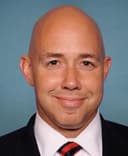
R· Florida
YRS IN OFFICE
9
BILLS LED
44
ACTION TIMELINE
5 EVENTSSEP 18
Committee Consideration and Mark-up Session Held
SEP 18
Ordered to be Reported (Amended) by the Yeas and Nays: 28 - 23.
SEP 17
Committee Consideration and Mark-up Session Held
SEP 11
Introduced in House
BILL INFO
TypeHouse Bill
NumberHR 5299
Congress119th
StatusReported
IntroducedSep 11, 2025
Last actionSep 18, 2025
READER REACTIONS
OVERALL SENTIMENT
No reactions yet. Be the first to weigh in.
Discussion
Loading comments...
REPORTED· 119TH CONGRESS · FOREIGN AFFAIRS COMMITTEE · INTRODUCED SEP 11, 2025
House BillHR 5299SecuritiesStrategic materials and reserves
DFC Modernization Act of 2025
INTRODUCED SEP 11, 2025· LAST ACTION SEP 18, 2025
PASSAGE CHANCES
—%
READING
13 min
COSPONSORS
0
COMPLEXITY
Moderate