Bills · HR 5263
IN COMMITTEE· 119TH CONGRESS
House BillHR 5263Housing and Community Development
To require approval from the Secretary of Housing and Urban Development for any Federal manufactured home and safety standards, and for other purposes.
INTRO SEP 10· LAST ACTION SEP 10
READING
2MIN
COSPONSORS
5BIPARTISAN
READER REACTIONS0 TOTAL
NO VOTES YET · BE THE FIRST
- Introduced only
LEGISLATIVE PROGRESS
STEP 2 / 8Introduced
In Committee
Reported
Passed House
Passed Senate
Conference
To President
Became Law
WHAT THE BILL DOES
AI-writtenVoters should care about this bill because it aims to streamline how manufactured homes are regulated at the federal level. Currently, multiple agencies could potentially create rules, which can lead to confusion, conflicting standards, or increased costs for manufacturers that get passed on to buyers. By giving HUD primary authority and a gatekeeping role, the bill intends to create a more unified and potentially less costly regulatory environment.
If this bill becomes law, it could mean more consistent and possibly more affordable manufactured homes for buyers, as HUD is directed to reject standards that significantly increase production costs. It also puts a spotlight on energy efficiency, which could lead to lower utility bills for residents. If it doesn't pass, the current system of potentially overlapping or uncoordinated regulations from various federal agencies regarding manufactured homes would continue.
KEY PROVISIONS
5AI-extractedPROVISION 01
Gives the Secretary of Housing and Urban Development (HUD) the primary authority to set federal construction and safety standards for manufactured homes.
This centralizes the power to create these rules under one department, aiming for consistency.
PROVISION 02
Requires any other federal agency seeking to establish a manufactured home standard to submit it to HUD for approval before it can take effect.
This ensures that all federal standards for manufactured homes are vetted and approved by HUD, preventing conflicting or redundant rules.
PROVISION 03
Mandates HUD to reject proposed standards from other agencies if they would significantly increase the cost of producing manufactured homes.
This provision aims to keep manufactured homes affordable for consumers by preventing overly expensive regulations.
PROVISION 04
Mandates HUD to reject proposed standards if they conflict with existing manufactured home construction and safety standards established by HUD.
This helps maintain a clear and unified set of regulations, avoiding confusion for manufacturers and builders.
PROVISION 05
Adds "energy efficiency" to the aspects HUD considers when establishing its own manufactured home construction and safety standards.
This could lead to manufactured homes that are more environmentally friendly and cheaper to heat and cool for residents.
SPONSORSHIP
1 + 5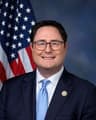
R· Nebraska
YRS IN OFFICE
4
BILLS LED
30
COSPONSOR BREAKDOWNBIPARTISAN · 80%
DEM 3 REP 2 IND 0
ACTION TIMELINE
2 EVENTSSEP 10
Introduced in House
SEP 10
Referred to the House Committee on Financial Services.
BILL INFO
TypeHouse Bill
NumberHR 5263
Congress119th
StatusIn Committee
IntroducedSep 10, 2025
Last actionSep 10, 2025
READER REACTIONS
OVERALL SENTIMENT
No reactions yet. Be the first to weigh in.
Discussion
Loading comments...
IN COMMITTEE· 119TH CONGRESS · FINANCIAL SERVICES COMMITTEE · INTRODUCED SEP 10, 2025
House BillHR 5263Housing and Community Development
To require approval from the Secretary of Housing and Urban Development for any Federal manufactured home and safety standards, and for other purposes.
INTRODUCED SEP 10, 2025· LAST ACTION SEP 10, 2025
PASSAGE CHANCES
—%
READING
2 min
COSPONSORS
5
COMPLEXITY
Moderate