Bills · HR 520
IN COMMITTEE· 119TH CONGRESS
House BillHR 520Law enforcement administration and fundingHuman trafficking
Empowering Law Enforcement To Fight Sex Trafficking Demand Act of 2025
INTRO JAN 16· LAST ACTION JAN 16
READING
1MIN
COSPONSORS
22
READER REACTIONS0 TOTAL
NO VOTES YET · BE THE FIRST
- Introduced only
LEGISLATIVE PROGRESS
STEP 2 / 8Introduced
In Committee
Reported
Passed House
Passed Senate
Conference
To President
Became Law
WHAT THE BILL DOES
AI-writtenThis bill matters because it explicitly broadens how federal grant money can be used by local police and sheriff's departments. Currently, the Byrne JAG program offers flexible funding, but this bill specifically adds human trafficking, and particularly demand reduction, as an eligible use. If this bill becomes law, communities will have a clearer pathway to use these federal funds for programs that target those who create the market for human trafficking, such as buyers of commercial sex acts.
If it doesn't pass, agencies might still find ways to fund anti-trafficking efforts through other grant categories, but it wouldn't be as explicitly authorized for demand-reduction programs under Byrne JAG. This change could lead to more dedicated and visible programs nationwide aimed at deterring people from seeking trafficked individuals, potentially impacting the overall landscape of anti-trafficking efforts by focusing on a root cause.
KEY PROVISIONS
2AI-extractedPROVISION 01
The bill amends the Omnibus Crime Control and Safe Streets Act of 1968 to include programs combating human trafficking as an additional permissible use for Byrne Justice Assistance Grant (JAG) funds.
This explicitly authorizes federal Byrne JAG funds to be used for fighting human trafficking, providing a dedicated funding avenue for these efforts.
PROVISION 02
It specifically allows these funds to be used for programs designed to reduce the demand for trafficked persons.
This targets the underlying economic driver of human trafficking by allowing law enforcement to fund initiatives focused on deterring those who seek to exploit trafficked individuals.
SPONSORSHIP
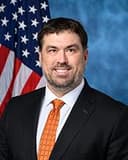
1 + 22
R· Texas
YRS IN OFFICE
3
BILLS LED
22
COSPONSOR BREAKDOWNBIPARTISAN · 36%
DEM 4 REP 18 IND 0
ACTION TIMELINE
2 EVENTSJAN 16
Introduced in House
JAN 16
Referred to the House Committee on the Judiciary.
BILL INFO
TypeHouse Bill
NumberHR 520
Congress119th
StatusIn Committee
IntroducedJan 16, 2025
Last actionJan 16, 2025
READER REACTIONS
OVERALL SENTIMENT
No reactions yet. Be the first to weigh in.
Discussion
Loading comments...
IN COMMITTEE· 119TH CONGRESS · JUDICIARY COMMITTEE · INTRODUCED JAN 16, 2025
House BillHR 520Law enforcement administration and fundingHuman trafficking
Empowering Law Enforcement To Fight Sex Trafficking Demand Act of 2025
INTRODUCED JAN 16, 2025· LAST ACTION JAN 16, 2025
PASSAGE CHANCES
—%
READING
1 min
COSPONSORS
22
COMPLEXITY
Moderate