Bills · HR 5159
IN COMMITTEE· 119TH CONGRESS
House BillHR 5159Labor and Employment
Nationwide Right to Unionize Act
INTRO SEP 4· LAST ACTION SEP 4
READING
1MIN
COSPONSORS
17
READER REACTIONS0 TOTAL
NO VOTES YET · BE THE FIRST
- Introduced only
LEGISLATIVE PROGRESS
STEP 2 / 8Introduced
In Committee
Reported
Passed House
Passed Senate
Conference
To President
Became Law
WHAT THE BILL DOES
AI-writtenThis bill is important because it would fundamentally alter the relationship between unions, employers, and individual workers across more than half of the United States. Currently, 'right-to-work' laws allow employees to benefit from union-negotiated wages and benefits without contributing financially to the union, often called 'free-riding.' This bill would eliminate that ability, potentially leading to stronger unions with more resources and bargaining power nationwide.
If this bill passes, it could lead to increased union membership and funding, which might result in higher wages and better benefits for more workers, but it could also mean that workers who prefer not to join a union are required to pay fees to one. If the bill does not pass, the current state-by-state system of 'right-to-work' laws would continue, allowing states to prohibit mandatory union membership or fees.
KEY PROVISIONS
3AI-extractedPROVISION 01
Repeals Subsection (b) of Section 14 of the National Labor Relations Act (29 U.S.C. 164).
This specific action removes the legal authority that currently allows states to enact and enforce 'right-to-work' laws.
PROVISION 02
Eliminates the ability for states to prohibit agreements that require membership in a labor organization as a condition of employment.
This provision directly overturns existing 'right-to-work' laws, creating a uniform national standard for union security agreements.
PROVISION 03
Allows employers and unions to negotiate contracts that can require all employees covered by the agreement to join the union or pay fees.
This changes the conditions of employment for workers in many states, potentially requiring financial contributions to a union to keep their job.
SPONSORSHIP
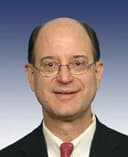
1 + 17
D· California
YRS IN OFFICE
29
BILLS LED
13
COSPONSOR BREAKDOWNBIPARTISAN · 0%
DEM 17 REP 0 IND 0
ACTION TIMELINE
2 EVENTSSEP 4
Introduced in House
SEP 4
Referred to the House Committee on Education and Workforce.
BILL INFO
TypeHouse Bill
NumberHR 5159
Congress119th
StatusIn Committee
IntroducedSep 4, 2025
Last actionSep 4, 2025
READER REACTIONS
OVERALL SENTIMENT
No reactions yet. Be the first to weigh in.
Discussion
Loading comments...
IN COMMITTEE· 119TH CONGRESS · EDUCATION AND WORKFORCE COMMITTEE · INTRODUCED SEP 4, 2025
House BillHR 5159Labor and Employment
Nationwide Right to Unionize Act
INTRODUCED SEP 4, 2025· LAST ACTION SEP 4, 2025
PASSAGE CHANCES
—%
READING
1 min
COSPONSORS
17
COMPLEXITY
Moderate