Bills · HR 5143
PASSED HOUSE· 119TH CONGRESS
House BillHR 5143Law enforcement administration and fundingMotor vehicles
District of Columbia Policing Protection Act of 2025
INTRO SEP 4· LAST ACTION SEP 18
READING
3MIN
COSPONSORS
2
READER REACTIONS0 TOTAL
NO VOTES YET · BE THE FIRST
- One chamber only
LEGISLATIVE PROGRESS
STEP 4 / 8Introduced
In Committee
Reported
Passed House
Passed Senate
Conference
To President
Became Law
WHAT THE BILL DOES
AI-writtenThis bill matters to voters because it directly impacts public safety and policing in the nation's capital. If it becomes law, D.C. police will have more discretion to pursue fleeing vehicles, which supporters argue could help catch more criminals and deter car-related crimes.
However, it could also lead to more high-speed chases in crowded urban areas, potentially increasing the risk of accidents, injuries, or fatalities to innocent bystanders. Currently, D.C. has one of the country's most restrictive pursuit policies; this bill would mark a significant shift, changing how the police interact with suspects and how residents experience law enforcement on their streets. The study on public alert technology could also lead to new safety measures during pursuits.
KEY PROVISIONS
3AI-extractedPROVISION 01
The bill changes D.C.'s vehicular pursuit policy, allowing officers to pursue a fleeing suspect in a vehicle unless there is a reasonable belief of unacceptable harm to others, the pursuit is futile, or another method is more effective.
This provision significantly broadens the circumstances under which D.C. police can engage in car chases, shifting from a restrictive to a more permissive policy.
PROVISION 02
The revised D.C. vehicular pursuit standards do not apply to sworn federal law enforcement officers operating in the District of Columbia.
This provision ensures that federal officers are not bound by D.C.'s local pursuit rules, allowing them to follow their agency's guidelines.
PROVISION 03
The Attorney General must evaluate and publish a report on the costs and benefits of the D.C. Metropolitan Police Department adopting 'PursuitAlert' or similar technology to warn the public about police chases.
This provision mandates a study into technology that could enhance public safety by alerting citizens to ongoing police pursuits.
SPONSORSHIP
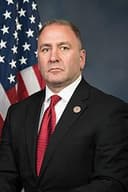
1 + 2
R· Louisiana
YRS IN OFFICE
9
BILLS LED
39
COSPONSOR BREAKDOWNBIPARTISAN · 7%
DEM 0 REP 2 IND 0
ACTION TIMELINE
15 EVENTSSEP 18
Received in the Senate.
SEP 17
Considered under the provisions of rule H. Res. 707. (consideration: CR H4379)
SEP 17
Rule provides for consideration of H.R. 4922, H.R. 5143, H.R. 5140, H.R. 5125, H.R. 1047, H.R. 3015 and H.R. 3062. The resolution provides for consideration of H.R. 4922, H.R. 5143, H.R. 5140, H.R. 5125, H.R. 1047, H.R. 3015, and H.R. 3062 under a closed rule, and provides for a motion to recommit on each measure.
SEP 17
DEBATE - The House proceeded with one hour of debate on H.R. 5143.
BILL INFO
TypeHouse Bill
NumberHR 5143
Congress119th
StatusPassed House
IntroducedSep 4, 2025
Last actionSep 18, 2025
READER REACTIONS
OVERALL SENTIMENT
No reactions yet. Be the first to weigh in.
Discussion
Loading comments...
PASSED HOUSE· 119TH CONGRESS · OVERSIGHT AND GOVERNMENT REFORM COMMITTEE · INTRODUCED SEP 4, 2025
House BillHR 5143Law enforcement administration and fundingMotor vehicles
District of Columbia Policing Protection Act of 2025
INTRODUCED SEP 4, 2025· LAST ACTION SEP 18, 2025
PASSAGE CHANCES
—%
READING
3 min
COSPONSORS
2
COMPLEXITY
Moderate