Bills · HR 5128
IN COMMITTEE· 119TH CONGRESS
House BillHR 5128Agriculture and Food
Feed Hungry Kids Act
INTRO SEP 4· LAST ACTION SEP 4
READING
1MIN
COSPONSORS
6BIPARTISAN
READER REACTIONS0 TOTAL
NO VOTES YET · BE THE FIRST
- Introduced only
LEGISLATIVE PROGRESS
STEP 2 / 8Introduced
In Committee
Reported
Passed House
Passed Senate
Conference
To President
Became Law
WHAT THE BILL DOES
AI-writtenThis bill matters because it directly impacts the well-being and academic potential of children in economically disadvantaged communities. If it becomes law, it could significantly expand access to nutritious meals for countless students, potentially reducing food insecurity and improving their health and learning outcomes. It also simplifies the administrative burden for schools and removes the stigma often associated with receiving free meals, as all students in participating schools would receive them.
If this bill does not pass, schools will continue to operate under the current, higher eligibility thresholds for universal meal service. This means fewer schools would qualify to offer free meals to all students, and more families would still need to navigate the application process to ensure their children receive subsidized meals.
KEY PROVISIONS
3AI-extractedPROVISION 01
Lowers the minimum 'identified student percentage' (ISP) to 25% for schools to qualify for universal free meal service in high-poverty areas.
This change allows significantly more schools to offer free breakfast and lunch to all their students without individual applications, expanding access to meals.
PROVISION 02
Amends the Richard B. Russell National School Lunch Act, the primary federal law governing school meal programs.
This specifies the existing legal framework that the bill modifies to implement the expanded meal access.
PROVISION 03
Establishes that the new 25% threshold will be fully implemented for each school year beginning on or after July 1, 2025.
This provides a clear timeline for when the expanded eligibility for universal meal service will take effect.
SPONSORSHIP
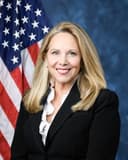
1 + 6
D· New York
YRS IN OFFICE
1
BILLS LED
21
COSPONSOR BREAKDOWNBIPARTISAN · 66%
DEM 2 REP 4 IND 0
ACTION TIMELINE
2 EVENTSSEP 4
Introduced in House
SEP 4
Referred to the House Committee on Education and Workforce.
BILL INFO
TypeHouse Bill
NumberHR 5128
Congress119th
StatusIn Committee
IntroducedSep 4, 2025
Last actionSep 4, 2025
READER REACTIONS
OVERALL SENTIMENT
No reactions yet. Be the first to weigh in.
Discussion
Loading comments...
IN COMMITTEE· 119TH CONGRESS · EDUCATION AND WORKFORCE COMMITTEE · INTRODUCED SEP 4, 2025
House BillHR 5128Agriculture and Food
Feed Hungry Kids Act
INTRODUCED SEP 4, 2025· LAST ACTION SEP 4, 2025
PASSAGE CHANCES
—%
READING
1 min
COSPONSORS
6
COMPLEXITY
Moderate