Bills · HR 5117
IN COMMITTEE· 119TH CONGRESS
House BillHR 5117International Affairs
SPIN Act
INTRO SEP 3· LAST ACTION SEP 3
READING
1MIN
COSPONSORS
0
READER REACTIONS0 TOTAL
NO VOTES YET · BE THE FIRST
- Introduced only
LEGISLATIVE PROGRESS
STEP 2 / 8Introduced
In Committee
Reported
Passed House
Passed Senate
Conference
To President
Became Law
WHAT THE BILL DOES
AI-writtenVoters should care about this bill because it touches on the fundamental question of whether the U.S. government should be allowed to share information designed for foreign audiences with its own citizens. If this bill becomes law, it reinstates a ban that existed for decades, aiming to prevent the government from influencing domestic opinion with materials initially crafted for overseas propaganda efforts. This could enhance public trust by creating a clear boundary between foreign policy messaging and domestic information.
Conversely, if it doesn't pass, the current situation remains where the government can, under certain conditions, share this type of information domestically. This ongoing debate is relevant to issues of government transparency, potential for domestic influence operations, and how citizens receive information from their own government.
KEY PROVISIONS
3AI-extractedPROVISION 01
Prohibits the U.S. government from distributing information created for foreign audiences within the United States.
This directly reverses a 2012 law that allowed domestic sharing of such materials, aiming to prevent the government from using foreign-focused information campaigns on its own citizens.
PROVISION 02
Allows specific groups like U.S. journalists, scholars, and Members of Congress to examine the information at the Department of State upon request.
While restricting general public access, this provision ensures that certain oversight and information-gathering entities still have controlled access to these materials.
PROVISION 03
Amends Section 501(b) of the United States Information and Educational Exchange Act of 1948, commonly known as the Smith-Mundt Act.
This legislative action specifically targets the legal framework governing U.S. public diplomacy and information dissemination, directly altering its domestic application.
SPONSORSHIP
1 + 0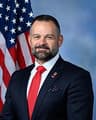
R· Florida
YRS IN OFFICE
3
BILLS LED
30
ACTION TIMELINE
2 EVENTSSEP 3
Introduced in House
SEP 3
Referred to the House Committee on Foreign Affairs.
BILL INFO
TypeHouse Bill
NumberHR 5117
Congress119th
StatusIn Committee
IntroducedSep 3, 2025
Last actionSep 3, 2025
READER REACTIONS
OVERALL SENTIMENT
No reactions yet. Be the first to weigh in.
Discussion
Loading comments...
IN COMMITTEE· 119TH CONGRESS · FOREIGN AFFAIRS COMMITTEE · INTRODUCED SEP 3, 2025
House BillHR 5117International Affairs
SPIN Act
INTRODUCED SEP 3, 2025· LAST ACTION SEP 3, 2025
PASSAGE CHANCES
—%
READING
1 min
COSPONSORS
0
COMPLEXITY
Moderate