Bills · HR 5098
IN COMMITTEE· 119TH CONGRESS
House BillHR 5098Immigration
Strengthening Our Workforce Act of 2025
INTRO SEP 2· LAST ACTION SEP 2
READING
8MIN
COSPONSORS
4
READER REACTIONS0 TOTAL
NO VOTES YET · BE THE FIRST
- Introduced only
LEGISLATIVE PROGRESS
STEP 2 / 8Introduced
In Committee
Reported
Passed House
Passed Senate
Conference
To President
Became Law
WHAT THE BILL DOES
AI-writtenThis bill matters because it would formalize the legal status of a significant portion of the workforce already contributing to the U.S. economy. If passed, it could provide a new avenue for potentially millions of individuals to work legally, pay taxes, and access greater stability without fear of deportation. This could help stabilize labor markets in critical sectors, potentially increasing tax revenue and overall economic activity by integrating more workers into the formal economy.
If this bill does not become law, many individuals currently working in essential jobs would continue to do so with uncertain legal status, facing limitations on their employment opportunities and potential deportation. This means that labor shortages in critical industries could persist, and a large segment of the workforce would remain outside the formal system, impacting both the individuals and the broader economy.
KEY PROVISIONS
5AI-extractedPROVISION 01
Establishes a new "conditional lawful permanent resident" status for certain eligible non-citizens for a period of two years.
This creates a specific, temporary legal status with work authorization for individuals who currently lack full legal residency.
PROVISION 02
Defines eligibility based on presence in the U.S. by January 1, 2024 (including DACA recipients and those without lawful status), continuous presence, and prior employment in "covered professions."
It sets specific criteria for who can apply, focusing on long-term residents and workers in identified essential sectors.
PROVISION 03
Requires individuals granted conditional status to maintain continuous physical presence in the U.S. and work at least 100 cumulative days annually in a covered profession for two consecutive years.
This provision ties the path to permanent residency directly to continued employment in specific workforce sectors and adherence to residency requirements.
PROVISION 04
Allows the Secretary of Homeland Security to adjust the status of eligible conditional lawful permanent residents to full lawful permanent residency after two years, following a fee payment and background investigation.
This outlines the mechanism for transitioning from temporary to permanent legal status, offering a clear pathway for eligible individuals.
PROVISION 05
Specifies certain criminal bars to eligibility, with provisions for waivers for some misdemeanors or in cases where the alien was a victim of domestic violence or human trafficking.
It establishes public safety criteria for eligibility while also providing flexibility for individuals with minor offenses or specific vulnerable circumstances.
SPONSORSHIP
1 + 4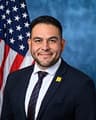
D· New Mexico
YRS IN OFFICE
3
BILLS LED
35
COSPONSOR BREAKDOWNBIPARTISAN · 0%
DEM 4 REP 0 IND 0
ACTION TIMELINE
2 EVENTSSEP 2
Introduced in House
SEP 2
Referred to the House Committee on the Judiciary.
BILL INFO
TypeHouse Bill
NumberHR 5098
Congress119th
StatusIn Committee
IntroducedSep 2, 2025
Last actionSep 2, 2025
READER REACTIONS
OVERALL SENTIMENT
No reactions yet. Be the first to weigh in.
Discussion
Loading comments...
IN COMMITTEE· 119TH CONGRESS · JUDICIARY COMMITTEE · INTRODUCED SEP 2, 2025
House BillHR 5098Immigration
Strengthening Our Workforce Act of 2025
INTRODUCED SEP 2, 2025· LAST ACTION SEP 2, 2025
PASSAGE CHANCES
—%
READING
8 min
COSPONSORS
4
COMPLEXITY
Moderate