Bills · HR 4995
IN COMMITTEE· 119TH CONGRESS
House BillHR 4995International Affairs
Enduring Welcome Act of 2025
INTRO AUG 19· LAST ACTION AUG 19
READING
7MIN
COSPONSORS
43BIPARTISAN
READER REACTIONS0 TOTAL
NO VOTES YET · BE THE FIRST
- Introduced only
LEGISLATIVE PROGRESS
STEP 2 / 8Introduced
In Committee
Reported
Passed House
Passed Senate
Conference
To President
Became Law
WHAT THE BILL DOES
AI-writtenVoters should care about this bill because it addresses a long-standing commitment the U.S. made to Afghan allies who supported American efforts, particularly after the withdrawal from Afghanistan. By trying to make the relocation process more organized and efficient, the bill seeks to fulfill these promises, which can affect the U.S.'s credibility on the global stage and its ability to secure cooperation from allies in future conflicts. Without this bill, the current process for Afghan relocation might remain fragmented, leading to continued delays, uncertainty, and family separations for those who risked their lives for the U.S.
The bill also directly impacts the morale and well-being of U.S. military personnel and veterans by focusing on reuniting them with their Afghan family members. If this bill becomes law, it could lead to more timely and transparent processing of Afghan relocation cases, potentially easing the burden on families and individuals navigating complex immigration systems. If it doesn't pass, the current challenges and backlogs in Afghan relocation efforts are likely to persist, leaving many vulnerable Afghans and their American military sponsors in limbo.
KEY PROVISIONS
4AI-extractedPROVISION 01
Establishes an Office of the Coordinator for Afghan Relocation Efforts within the Department of State and defines its head as the Coordinator.
Creates a permanent, dedicated structure within the State Department specifically focused on managing and improving Afghan relocation, signaling a long-term commitment.
PROVISION 02
Expands the Coordinator's responsibilities to include leading interagency vetting, facilitating resettlement, and specifically addressing family reunification barriers for U.S. military and veteran families.
Centralizes authority and ensures a focused effort on critical bottlenecks and sensitive cases within the relocation process.
PROVISION 03
Requires the collection of detailed data on Afghan applicants, including their location, processing times, and reasons for denial, and mandates the creation of a secure, centralized database for this information.
Provides essential transparency and data for better operational management, oversight, and accountability of the entire relocation effort.
PROVISION 04
Mandates regular (every 90 days) reports to Congress from the Secretary of State on the status of Afghan relocation efforts using the collected metrics.
Ensures continuous congressional oversight and accountability, allowing lawmakers to monitor progress and address issues.
SPONSORSHIP
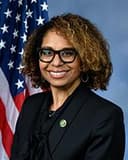
1 + 43
D· California
YRS IN OFFICE
3
BILLS LED
36
COSPONSOR BREAKDOWNBIPARTISAN · 56%
DEM 31 REP 12 IND 0
ACTION TIMELINE
2 EVENTSAUG 19
Introduced in House
AUG 19
Referred to the Committee on Foreign Affairs, and in addition to the Committee on the Judiciary, for a period to be subsequently determined by the Speaker, in each case for consideration of such provisions as fall within the jurisdiction of the committee concerned.
BILL INFO
TypeHouse Bill
NumberHR 4995
Congress119th
StatusIn Committee
IntroducedAug 19, 2025
Last actionAug 19, 2025
READER REACTIONS
OVERALL SENTIMENT
No reactions yet. Be the first to weigh in.
Discussion
Loading comments...
IN COMMITTEE· 119TH CONGRESS · JUDICIARY COMMITTEE · INTRODUCED AUG 19, 2025
House BillHR 4995International Affairs
Enduring Welcome Act of 2025
INTRODUCED AUG 19, 2025· LAST ACTION AUG 19, 2025
PASSAGE CHANCES
—%
READING
7 min
COSPONSORS
43
COMPLEXITY
Moderate