Bills · HR 4917
IN COMMITTEE· 119TH CONGRESS
House BillHR 4917Government Operations and Politics
Expanding the VOTE Act
INTRO AUG 5· LAST ACTION AUG 5
READING
8MIN
COSPONSORS
71
READER REACTIONS0 TOTAL
NO VOTES YET · BE THE FIRST
- Introduced only
LEGISLATIVE PROGRESS
STEP 2 / 8Introduced
In Committee
Reported
Passed House
Passed Senate
Conference
To President
Became Law
WHAT THE BILL DOES
AI-writtenVoters should care about this bill because it aims to make elections more accessible for everyone, especially those who might face language barriers. By updating how voting materials are defined to include digital content and clarifying assistance for Indigenous languages, it helps ensure that critical election information reaches more people in a way they can understand.
If this bill becomes law, more local election offices might offer voting materials in a wider range of languages, and the quality of language assistance could improve, particularly for unwritten or primarily oral languages. If it doesn't pass, existing language assistance rules, which some argue are outdated or insufficient, would remain in place, potentially leaving some voters with less access to understandable election information.
KEY PROVISIONS
5AI-extractedPROVISION 01
Expands the definition of "voting materials" in the Voting Rights Act to explicitly include digital information and resources.
This ensures online election notices, forms, and assistance are covered by language access requirements, matching modern communication methods.
PROVISION 02
Allows Tribal governments to notify the Attorney General if their language is unwritten or if they prefer oral translations for voters, while still requiring written translations for election workers (with Tribal consent).
This provision provides culturally sensitive and practical solutions for providing language assistance to American Indian and Alaska Native communities.
PROVISION 03
Makes states responsible for providing language assistance in any political subdivision within that state that is covered by Section 203 of the Voting Rights Act.
This clarifies and strengthens the responsibility for ensuring language access across all levels of government involved in elections.
PROVISION 04
Establishes a grant program through the Election Assistance Commission to incentivize states and local areas to voluntarily provide voting materials in additional languages.
This encourages and provides resources for jurisdictions to go beyond the minimum legal requirements for language access.
PROVISION 05
Directs the Attorney General to notify states and political subdivisions that are nearing the population thresholds requiring language assistance.
This helps jurisdictions prepare for potential future language assistance requirements and ensures they are aware of their responsibilities.
SPONSORSHIP
1 + 71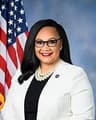
D· Georgia
YRS IN OFFICE
5
BILLS LED
58
COSPONSOR BREAKDOWNBIPARTISAN · 0%
DEM 71 REP 0 IND 0
ACTION TIMELINE
2 EVENTSAUG 5
Introduced in House
AUG 5
Referred to the Committee on the Judiciary, and in addition to the Committee on House Administration, for a period to be subsequently determined by the Speaker, in each case for consideration of such provisions as fall within the jurisdiction of the committee concerned.
BILL INFO
TypeHouse Bill
NumberHR 4917
Congress119th
StatusIn Committee
IntroducedAug 5, 2025
Last actionAug 5, 2025
READER REACTIONS
OVERALL SENTIMENT
No reactions yet. Be the first to weigh in.
Discussion
Loading comments...
IN COMMITTEE· 119TH CONGRESS · JUDICIARY COMMITTEE · INTRODUCED AUG 5, 2025
House BillHR 4917Government Operations and Politics
Expanding the VOTE Act
INTRODUCED AUG 5, 2025· LAST ACTION AUG 5, 2025
PASSAGE CHANCES
—%
READING
8 min
COSPONSORS
71
COMPLEXITY
Moderate