Bills · HR 4814
IN COMMITTEE· 119TH CONGRESS
House BillHR 4814Social Welfare
Supplemental Security Income Equality Act
INTRO JUL 29· LAST ACTION JUL 29
READING
2MIN
COSPONSORS
5BIPARTISAN
READER REACTIONS0 TOTAL
NO VOTES YET · BE THE FIRST
- Introduced only
LEGISLATIVE PROGRESS
STEP 2 / 8Introduced
In Committee
Reported
Passed House
Passed Senate
Conference
To President
Became Law
WHAT THE BILL DOES
AI-writtenThis bill matters because it addresses a long-standing disparity in federal benefits for residents of U.S. territories. While people in the 50 states and the District of Columbia can receive Supplemental Security Income (SSI) if they meet the eligibility criteria, residents of Puerto Rico, the U.S. Virgin Islands, Guam, and American Samoa are largely excluded. If this bill becomes law, it would extend a vital safety net program to some of the most vulnerable populations in these territories: low-income elderly, blind, and disabled individuals.
By providing these federal payments, the bill could significantly reduce poverty and improve living standards for thousands of residents. If it doesn't pass, the current situation of unequal access to this federal program would continue, leaving these populations without a crucial source of income that is available to their counterparts on the mainland. It's about ensuring a more equitable distribution of federal support across all U.S. jurisdictions, directly impacting the economic well-being of many families.
KEY PROVISIONS
5AI-extractedPROVISION 01
Extends the Supplemental Security Income (SSI) program to Puerto Rico, the United States Virgin Islands, Guam, and American Samoa.
This provision grants eligible residents in these territories access to federal financial assistance previously unavailable to them.
PROVISION 02
Amends the Social Security Act to include these territories in the definition of "State" and expands the geographic meaning of the "United States" for SSI purposes.
This legally integrates the territories into the SSI framework, removing the statutory barriers to their participation.
PROVISION 03
Eliminates existing federal limits on total payments to these territories for certain social security programs.
This ensures that the territories can receive the full federal funding required to support the expanded SSI program without artificial caps.
PROVISION 04
Ensures that United States nationals are treated the same as United States citizens for SSI eligibility.
This clarifies that all residents of these territories, whether citizens or nationals, can qualify for SSI if they meet other requirements.
PROVISION 05
Grants the Commissioner of Social Security the authority to waive or modify SSI program requirements to adapt the program to the specific needs of each territory.
This allows for flexibility in implementing SSI in territories, recognizing their unique circumstances compared to the 50 states.
SPONSORSHIP
1 + 5
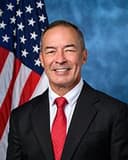
R· Guam
YRS IN OFFICE
3
BILLS LED
31
COSPONSOR BREAKDOWNBIPARTISAN · 80%
DEM 3 REP 2 IND 0
ACTION TIMELINE
2 EVENTSJUL 29
Introduced in House
JUL 29
Referred to the House Committee on Ways and Means.
BILL INFO
TypeHouse Bill
NumberHR 4814
Congress119th
StatusIn Committee
IntroducedJul 29, 2025
Last actionJul 29, 2025
READER REACTIONS
OVERALL SENTIMENT
No reactions yet. Be the first to weigh in.
Discussion
Loading comments...
IN COMMITTEE· 119TH CONGRESS · WAYS AND MEANS COMMITTEE · INTRODUCED JUL 29, 2025
House BillHR 4814Social Welfare
Supplemental Security Income Equality Act
INTRODUCED JUL 29, 2025· LAST ACTION JUL 29, 2025
PASSAGE CHANCES
—%
READING
2 min
COSPONSORS
5
COMPLEXITY
Moderate