Bills · HR 4757
IN COMMITTEE· 119TH CONGRESS
House BillHR 4757Agriculture and Food
Pigs and Public Health Act
INTRO JUL 25· LAST ACTION JUL 25
READING
17MIN
COSPONSORS
2
READER REACTIONS0 TOTAL
NO VOTES YET · BE THE FIRST
- Introduced only
LEGISLATIVE PROGRESS
STEP 2 / 8Introduced
In Committee
Reported
Passed House
Passed Senate
Conference
To President
Became Law
WHAT THE BILL DOES
AI-writtenVoters should care about this bill because it directly impacts the safety of the food they eat and the well-being of animals. By banning certain drugs and setting stricter transportation rules, the bill aims to reduce the risk of diseases spreading from pigs to humans and improve the humane treatment of pigs, which can often suffer during transport and handling.
If this bill becomes law, consumers might see a reduction in certain foodborne illnesses linked to pork. It also provides a critical channel for workers to report abuses or health concerns without fear, potentially making the industry more accountable. If it doesn't become law, the current practices regarding drug use in pigs, transportation conditions, and the entry of nonambulatory pigs into the food system would likely continue, along with the associated public health risks and animal welfare concerns highlighted in the bill's findings.
KEY PROVISIONS
5AI-extractedPROVISION 01
Prohibits the use of specific growth-promoting drugs, such as ractopamine, in pigs for purposes other than treating disease.
This aims to reduce the presence of these drugs in the food supply and potentially improve animal health.
PROVISION 02
Establishes new standards for the transportation of pigs, requiring adequate protection from weather, appropriate bedding, sufficient space, and access to water, all within a specific temperature range.
This provision is designed to improve the humane treatment of pigs during transport and reduce stress that can lead to injury or illness.
PROVISION 03
Directs the Secretary of Agriculture to remove nonambulatory (unable to stand or walk) pigs from the United States food system.
This is crucial for public health, as nonambulatory pigs are more likely to carry dangerous pathogens that can cause human illness.
PROVISION 04
Creates an online portal for confidential complaints related to pig handling and public health threats within the food system.
This allows individuals with direct knowledge to report concerns anonymously, increasing transparency and accountability in the industry.
PROVISION 05
Provides protection for whistleblowers who report violations or public health threats.
This encourages reporting by safeguarding individuals from retaliation, further promoting transparency and safety.
SPONSORSHIP
1 + 2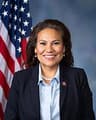
D· Texas
YRS IN OFFICE
7
BILLS LED
22
COSPONSOR BREAKDOWNBIPARTISAN · 0%
DEM 2 REP 0 IND 0
ACTION TIMELINE
2 EVENTSJUL 25
Introduced in House
JUL 25
Referred to the Committee on Agriculture, and in addition to the Committee on Education and Workforce, for a period to be subsequently determined by the Speaker, in each case for consideration of such provisions as fall within the jurisdiction of the committee concerned.
BILL INFO
TypeHouse Bill
NumberHR 4757
Congress119th
StatusIn Committee
IntroducedJul 25, 2025
Last actionJul 25, 2025
READER REACTIONS
OVERALL SENTIMENT
No reactions yet. Be the first to weigh in.
Discussion
Loading comments...
IN COMMITTEE· 119TH CONGRESS · AGRICULTURE COMMITTEE · INTRODUCED JUL 25, 2025
House BillHR 4757Agriculture and Food
Pigs and Public Health Act
INTRODUCED JUL 25, 2025· LAST ACTION JUL 25, 2025
PASSAGE CHANCES
—%
READING
17 min
COSPONSORS
2
COMPLEXITY
Moderate