Bills · HR 473
IN COMMITTEE· 119TH CONGRESS
House BillHR 473Cardiovascular and respiratory healthGovernment buildings, facilities, and property
SHOW UP Act of 2025
INTRO JAN 16· LAST ACTION JAN 16
READING
4MIN
COSPONSORS
23
READER REACTIONS0 TOTAL
NO VOTES YET · BE THE FIRST
- Introduced only
LEGISLATIVE PROGRESS
STEP 2 / 8Introduced
In Committee
Reported
Passed House
Passed Senate
Conference
To President
Became Law
WHAT THE BILL DOES
AI-writtenThe Americans most directly affected by this bill would be federal employees working in executive branch agencies, as their current telework arrangements would likely be scaled back dramatically to pre-pandemic levels. This means many would have to commute to a physical office more frequently, impacting their daily routines, childcare arrangements, and personal finances related to transportation and housing.
Federal agencies themselves would also be directly affected, as they would need to revise their human resources policies, manage office space, and conduct detailed studies and planning processes if they wish to re-expand telework. The public who interacts with federal agencies could also be indirectly affected by changes in customer service, though the bill aims to improve it.
KEY PROVISIONS
3AI-extractedPROVISION 01
Requires all executive branch federal agencies to revert their telework policies and practices to pre-pandemic levels (specifically, no more telework than permitted on December 31, 2019) within 30 days of the bill's enactment.
This provision would significantly reduce remote work for federal employees, requiring more in-person attendance.
PROVISION 02
Prohibits agencies from expanding telework beyond the pre-pandemic levels until they submit a detailed plan to Congress that includes a study on the impacts of telework and a certification from the Director of the Office of Personnel Management (OPM).
This creates a high bar and a strict process for any future increases in telework flexibility within federal agencies.
PROVISION 03
Mandates that the OPM Director's certification for any telework expansion plan must confirm the plan will have a substantial positive effect on the agency's mission and customer service, lower property and locality pay costs, and ensure secure employee access to resources without significantly increasing costs.
This ensures that any approved telework expansion must demonstrably benefit agency performance and reduce costs, linking flexibility directly to measurable outcomes.
SPONSORSHIP
1 + 23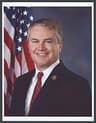
R· Kentucky
YRS IN OFFICE
9
BILLS LED
12
COSPONSOR BREAKDOWNBIPARTISAN · 0%
DEM 0 REP 23 IND 0
ACTION TIMELINE
2 EVENTSJAN 16
Introduced in House
JAN 16
Referred to the House Committee on Oversight and Government Reform.
BILL INFO
TypeHouse Bill
NumberHR 473
Congress119th
StatusIn Committee
IntroducedJan 16, 2025
Last actionJan 16, 2025
READER REACTIONS
OVERALL SENTIMENT
No reactions yet. Be the first to weigh in.
Discussion
Loading comments...
IN COMMITTEE· 119TH CONGRESS · OVERSIGHT AND GOVERNMENT REFORM COMMITTEE · INTRODUCED JAN 16, 2025
House BillHR 473Cardiovascular and respiratory healthGovernment buildings, facilities, and property
SHOW UP Act of 2025
INTRODUCED JAN 16, 2025· LAST ACTION JAN 16, 2025
PASSAGE CHANCES
—%
READING
4 min
COSPONSORS
23
COMPLEXITY
Moderate