Bills · HR 4722
IN COMMITTEE· 119TH CONGRESS
House BillHR 4722Health
Urban Indian Health Parity Act
INTRO JUL 23· LAST ACTION JUL 23
READING
1MIN
COSPONSORS
3BIPARTISAN
READER REACTIONS0 TOTAL
NO VOTES YET · BE THE FIRST
- Introduced only
LEGISLATIVE PROGRESS
STEP 2 / 8Introduced
In Committee
Reported
Passed House
Passed Senate
Conference
To President
Became Law
WHAT THE BILL DOES
AI-writtenVoters should care about this bill because it addresses a long-standing difference in how healthcare for Native Americans is funded, depending on where they live. Currently, while tribal health organizations on reservations receive 100% federal Medicaid funding, urban Indian organizations often do not, leaving states to cover part of the costs. This can create disparities in access to care for the majority of Native Americans who live in cities.
If this bill becomes law, it could provide more stable and comprehensive funding for urban Indian health clinics, potentially leading to better and more accessible health services for Native Americans living in urban areas. This change could also relieve financial pressure on state budgets, as the federal government would cover the full cost. If it doesn't become law, the current funding structure would remain, with states continuing to bear a portion of the Medicaid costs for urban Indian health services, potentially perpetuating existing service gaps.
KEY PROVISIONS
1AI-extractedPROVISION 01
Amends Section 1905(b) of the Social Security Act to include urban Indian organizations.
This change ensures that Medicaid services provided through urban Indian organizations receive the same 100% federal funding as those provided by Indian tribes or tribal organizations.
SPONSORSHIP
1 + 3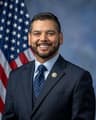
D· California
YRS IN OFFICE
13
BILLS LED
36
COSPONSOR BREAKDOWNBIPARTISAN · 66%
DEM 2 REP 1 IND 0
ACTION TIMELINE
2 EVENTSJUL 23
Introduced in House
JUL 23
Referred to the House Committee on Energy and Commerce.
BILL INFO
TypeHouse Bill
NumberHR 4722
Congress119th
StatusIn Committee
IntroducedJul 23, 2025
Last actionJul 23, 2025
READER REACTIONS
OVERALL SENTIMENT
No reactions yet. Be the first to weigh in.
Discussion
Loading comments...
IN COMMITTEE· 119TH CONGRESS · ENERGY AND COMMERCE COMMITTEE · INTRODUCED JUL 23, 2025
House BillHR 4722Health
Urban Indian Health Parity Act
INTRODUCED JUL 23, 2025· LAST ACTION JUL 23, 2025
PASSAGE CHANCES
—%
READING
1 min
COSPONSORS
3
COMPLEXITY
Moderate