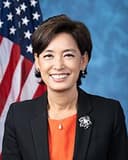
Bills · HR 4687
IN COMMITTEE· 119TH CONGRESS
House BillHR 4687Immigration
Partner with Korea Act
INTRO JUL 23· LAST ACTION JUL 23
READING
2MIN
COSPONSORS
14BIPARTISAN
READER REACTIONS0 TOTAL
NO VOTES YET · BE THE FIRST
- Introduced only
LEGISLATIVE PROGRESS
STEP 2 / 8Introduced
In Committee
Reported
Passed House
Passed Senate
Conference
To President
Became Law
WHAT THE BILL DOES
AI-writtenThis bill matters because it aims to address specific skill gaps in the U.S. workforce, particularly in high-demand technical fields, by allowing more skilled workers from a key ally, South Korea, to come to the country. If it becomes law, it could help U.S. companies grow and innovate, fostering economic development and potentially increasing trade and technological exchange between the two nations.
Without this bill, the current pathways for high-skilled South Korean workers to come to the U.S. would remain more restrictive, potentially limiting the ability of U.S. businesses to recruit top talent and slowing down certain sectors of the economy. It also signals a commitment to strengthening the economic partnership with South Korea by providing a dedicated visa category that could be seen as a reciprocal gesture, even if the bill itself only amends U.S. law.
KEY PROVISIONS
4AI-extractedPROVISION 01
Creates a new subcategory of E-visas specifically for South Korean nationals working in 'specialty occupations' in the United States.
This establishes a dedicated immigration pathway for high-skilled workers from South Korea, facilitating their entry into the U.S. workforce.
PROVISION 02
Establishes an annual limit of 15,000 for these new high-skilled visas for principal South Korean workers.
This cap controls the number of new workers entering under this category each year, balancing the demand for skilled labor with concerns about immigration levels.
PROVISION 03
Requires U.S. employers to file an 'attestation' with the Department of Labor, certifying fair wages and working conditions for these visa holders.
This protects both foreign workers from exploitation and American workers from unfair competition by ensuring labor standards are met.
PROVISION 04
Excludes spouses and children of the principal visa holders from counting against the annual 15,000 visa cap.
This provision makes it easier for skilled workers to bring their families, making the visa more attractive and practical for long-term stays.
SPONSORSHIP
1 + 14
R· California
YRS IN OFFICE
5
BILLS LED
55
COSPONSOR BREAKDOWNBIPARTISAN · 71%
DEM 9 REP 5 IND 0
ACTION TIMELINE
2 EVENTSJUL 23
Introduced in House
JUL 23
Referred to the House Committee on the Judiciary.
BILL INFO
TypeHouse Bill
NumberHR 4687
Congress119th
StatusIn Committee
IntroducedJul 23, 2025
Last actionJul 23, 2025
READER REACTIONS
OVERALL SENTIMENT
No reactions yet. Be the first to weigh in.
Discussion
Loading comments...
IN COMMITTEE· 119TH CONGRESS · JUDICIARY COMMITTEE · INTRODUCED JUL 23, 2025
House BillHR 4687Immigration
Partner with Korea Act
INTRODUCED JUL 23, 2025· LAST ACTION JUL 23, 2025
PASSAGE CHANCES
—%
READING
2 min
COSPONSORS
14
COMPLEXITY
Moderate