Bills · HR 4658
IN COMMITTEE· 119TH CONGRESS
House BillHR 4658Education
STUDENT Act
INTRO JUL 23· LAST ACTION JUL 23
READING
9MIN
COSPONSORS
10
READER REACTIONS0 TOTAL
NO VOTES YET · BE THE FIRST
- Introduced only
LEGISLATIVE PROGRESS
STEP 2 / 8Introduced
In Committee
Reported
Passed House
Passed Senate
Conference
To President
Became Law
WHAT THE BILL DOES
AI-writtenThis bill matters because it fundamentally redefines the role a major teachers' union can play in American society and politics. If passed, the National Education Association (NEA), which represents millions of educators, would be stripped of its ability to engage in any political activity, including lobbying for educational reforms, advocating for teachers' salaries or working conditions through political means, or endorsing candidates. This would drastically alter the political landscape around education issues, as a significant voice would be silenced in policy debates.
For individual teachers, the change in dues collection means they would have to actively choose to join and directly pay their union, rather than having dues automatically deducted. This could impact union membership numbers and financial strength. The bill's passage would shift power dynamics in education by removing a key advocacy group from political discourse, which could lead to different policy outcomes regarding school funding, curriculum, teacher benefits, and other critical issues compared to if the NEA were still able to engage politically.
KEY PROVISIONS
4AI-extractedPROVISION 01
The NEA and its affiliates may not contribute to, support, or participate in any political activity or attempt to influence legislation.
This provision would prevent the NEA from engaging in any lobbying or political spending, drastically changing its role and influence in policymaking.
PROVISION 02
The NEA and its affiliates may only accept membership dues from state or local government employees if the employee has clearly consented and authorized direct payment, not payroll deduction.
This would eliminate automatic payroll deductions for union dues, requiring active direct payments from members, potentially impacting membership and union finances.
PROVISION 03
The NEA must notify employees of their First Amendment right to refrain from union membership and paying associated dues or fees.
This ensures potential members are aware of their rights and must actively choose to join and pay, rather than passively remaining members.
PROVISION 04
The NEA must process and honor membership and dues payment cancellation requests as soon as practicable.
This provision aims to make it easier and quicker for members to leave the union or stop paying dues.
SPONSORSHIP
1 + 10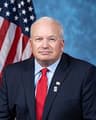
R· Wisconsin
YRS IN OFFICE
5
BILLS LED
32
COSPONSOR BREAKDOWNBIPARTISAN · 0%
DEM 0 REP 10 IND 0
ACTION TIMELINE
2 EVENTSJUL 23
Introduced in House
JUL 23
Referred to the House Committee on the Judiciary.
BILL INFO
TypeHouse Bill
NumberHR 4658
Congress119th
StatusIn Committee
IntroducedJul 23, 2025
Last actionJul 23, 2025
READER REACTIONS
OVERALL SENTIMENT
No reactions yet. Be the first to weigh in.
Discussion
Loading comments...
IN COMMITTEE· 119TH CONGRESS · JUDICIARY COMMITTEE · INTRODUCED JUL 23, 2025
House BillHR 4658Education
STUDENT Act
INTRODUCED JUL 23, 2025· LAST ACTION JUL 23, 2025
PASSAGE CHANCES
—%
READING
9 min
COSPONSORS
10
COMPLEXITY
Moderate