Bills · HR 4474
IN COMMITTEE· 119TH CONGRESS
House BillHR 4474Commerce
Equal Shot Act of 2025
INTRO JUL 16· LAST ACTION JUL 16
READING
2MIN
COSPONSORS
45
READER REACTIONS0 TOTAL
NO VOTES YET · BE THE FIRST
- Introduced only
LEGISLATIVE PROGRESS
STEP 2 / 8Introduced
In Committee
Reported
Passed House
Passed Senate
Conference
To President
Became Law
WHAT THE BILL DOES
AI-writtenVoters should care about this bill because it addresses a debate about whether government agencies should be able to make decisions based on a company's industry, especially when that industry is legal. If this bill passes, it means that firearms businesses, from local gun shops to manufacturers of accessories, would have the same access to federal financial support as other small businesses, assuming they meet all other qualifications. This could make it easier for these businesses to grow, create jobs, or survive economic downturns, potentially impacting local economies where these businesses operate.
If the bill does not pass, the Small Business Administration would retain the discretion to potentially adopt policies that could make it harder for firearms-related businesses to secure loans or other assistance, based on their industry. This could lead to a two-tiered system where certain legal industries face more hurdles to obtain federal support, which could be seen as either a necessary regulatory tool or an unfair restriction on legal commerce, depending on one's viewpoint.
KEY PROVISIONS
3AI-extractedPROVISION 01
Prohibits the Small Business Administration (SBA) from discriminating against otherwise eligible applicants for financial assistance solely because they are involved in the firearms industry.
This ensures businesses in the firearms sector have equal access to federal financial support, such as loans and loan guarantees, without being singled out.
PROVISION 02
Broadly defines "firearm entity" to include businesses involved with the design, manufacture, marketing, distribution, or sale of firearms, ammunition, component parts, and a wide array of accessories.
The comprehensive definition ensures that many different types of businesses connected to the firearms industry are covered by the anti-discrimination protections.
PROVISION 03
Includes "firearm entity affiliates" and "firearm trade associations" in the scope of protected applicants.
This extends protection to related businesses like shooting ranges, firearm training providers, and industry advocacy groups.
SPONSORSHIP
1 + 45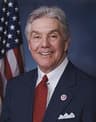
R· Texas
YRS IN OFFICE
13
BILLS LED
40
COSPONSOR BREAKDOWNBIPARTISAN · 0%
DEM 0 REP 45 IND 0
ACTION TIMELINE
2 EVENTSJUL 16
Introduced in House
JUL 16
Referred to the House Committee on Small Business.
BILL INFO
TypeHouse Bill
NumberHR 4474
Congress119th
StatusIn Committee
IntroducedJul 16, 2025
Last actionJul 16, 2025
READER REACTIONS
OVERALL SENTIMENT
No reactions yet. Be the first to weigh in.
Discussion
Loading comments...
IN COMMITTEE· 119TH CONGRESS · SMALL BUSINESS COMMITTEE · INTRODUCED JUL 16, 2025
House BillHR 4474Commerce
Equal Shot Act of 2025
INTRODUCED JUL 16, 2025· LAST ACTION JUL 16, 2025
PASSAGE CHANCES
—%
READING
2 min
COSPONSORS
45
COMPLEXITY
Moderate