Bills · HR 4383
IN COMMITTEE· 119TH CONGRESS
House BillHR 4383Transportation and Public Works
Sound Insulation Treatment Repair and Replacement Program Act
INTRO JUL 14· LAST ACTION JUL 15
READING
4MIN
COSPONSORS
0
READER REACTIONS0 TOTAL
NO VOTES YET · BE THE FIRST
- Introduced only
LEGISLATIVE PROGRESS
STEP 2 / 8Introduced
In Committee
Reported
Passed House
Passed Senate
Conference
To President
Became Law
WHAT THE BILL DOES
AI-writtenThis bill matters because it addresses a long-standing issue for residents living in areas with high airplane noise, especially those whose homes received initial noise mitigation treatments that have since failed or caused damage. Currently, homeowners often have no recourse if their sound insulation, installed with federal help, no longer works or actively harms their property.
If this bill becomes law, it provides a specific mechanism for these homeowners to get a second chance at effective soundproofing, improving their quality of life and potentially addressing structural issues in their homes. If it doesn't pass, these residents would likely continue to bear the burden of failed noise insulation, facing ongoing noise pollution or property damage with little to no federal assistance for remediation.
KEY PROVISIONS
5AI-extractedPROVISION 01
Establishes a pilot program for sound insulation repair and replacement at up to four large hub public-use airports.
This creates a new, specific pathway for airports to address failed or damaged sound insulation, which was not previously allowed under existing federal funding rules.
PROVISION 02
Allows federal funds to be used for sound insulation repair or replacement even if the government previously paid for the initial installation at the same residence.
This provision is crucial as it waives a standard rule against 'double-dipping' in federal assistance for the same project, enabling assistance for properties where previous efforts failed.
PROVISION 03
Sets strict eligibility criteria for homes, including the insulation being installed before 2002, specific noise level thresholds, and proof of structural damage or deterioration.
These criteria ensure that the pilot program focuses on the most critical cases and prevents abuse of the new waiver, targeting homes with long-standing or severe issues.
PROVISION 04
Requires property owners to exhaust warranties, insurance, and legal remedies before qualifying for the program.
This ensures that federal funds are a last resort, encouraging responsible parties to cover costs where applicable and conserving taxpayer money.
PROVISION 05
Authorizes airports to conduct surveys of previously insulated properties to identify those eligible for the pilot program.
This helps airports proactively find and assist homeowners who might not otherwise know about or apply for the new program, streamlining the identification of eligible properties.
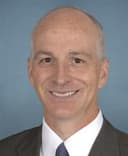
SPONSORSHIP
1 + 0
D· Washington
YRS IN OFFICE
29
BILLS LED
21
ACTION TIMELINE
3 EVENTSJUL 15
Referred to the Subcommittee on Aviation.
JUL 14
Introduced in House
JUL 14
Referred to the House Committee on Transportation and Infrastructure.
BILL INFO
TypeHouse Bill
NumberHR 4383
Congress119th
StatusIn Committee
IntroducedJul 14, 2025
Last actionJul 15, 2025
READER REACTIONS
OVERALL SENTIMENT
No reactions yet. Be the first to weigh in.
Discussion
Loading comments...
IN COMMITTEE· 119TH CONGRESS · TRANSPORTATION AND INFRASTRUCTURE COMMITTEE · INTRODUCED JUL 14, 2025
House BillHR 4383Transportation and Public Works
Sound Insulation Treatment Repair and Replacement Program Act
INTRODUCED JUL 14, 2025· LAST ACTION JUL 15, 2025
PASSAGE CHANCES
—%
READING
4 min
COSPONSORS
0
COMPLEXITY
Moderate