Bills · HR 4361
IN COMMITTEE· 119TH CONGRESS
House BillHR 4361Transportation and Public Works
STOP China Act
INTRO JUL 14· LAST ACTION JUL 15
READING
9MIN
COSPONSORS
3BIPARTISAN
READER REACTIONS0 TOTAL
NO VOTES YET · BE THE FIRST
- Introduced only
LEGISLATIVE PROGRESS
STEP 2 / 8Introduced
In Committee
Reported
Passed House
Passed Senate
Conference
To President
Became Law
WHAT THE BILL DOES
AI-writtenVoters should care about this bill because it aims to address national security concerns by reducing the U.S.'s reliance on vehicle technology from countries like China. Proponents believe that using technology from these countries could create vulnerabilities for espionage or disruption within U.S. transportation systems. If passed, this bill would force federal-funded transit projects to choose American-made or allied-nation-made vehicles and components, potentially boosting domestic manufacturing jobs and supply chains.
If this bill doesn't become law, federal funding could continue to be used to procure vehicles and technologies from these foreign entities, which some argue would perpetuate national security risks and hinder the growth of U.S. industries. The bill represents a broader effort to re-shape global supply chains and economic relationships in response to geopolitical tensions and concerns over economic competitiveness.
KEY PROVISIONS
5AI-extractedPROVISION 01
Prohibits the use of federal funds for buying certain vehicles or vehicle technologies from designated 'covered entities' linked to specific foreign countries.
This directly limits where federal money for public transit can be spent, aiming to reduce dependence on certain foreign suppliers for national security reasons.
PROVISION 02
Establishes a broad definition of 'covered entity,' including companies headquartered in, controlled by, or otherwise connected to a 'covered nation,' and their subsidiaries or affiliates.
The broad definition ensures that the prohibition covers a wide range of companies with potential ties to the designated countries, making it harder to circumvent the rules.
PROVISION 03
Mandates the U.S. Trade Representative to create and regularly update a public list of these prohibited 'covered entities' and the vehicle components they provide.
This provision provides clarity for transit agencies and manufacturers by publicly identifying which entities and technologies are off-limits for federal funding.
PROVISION 04
Applies the prohibition to 'rolling stock' (like buses and trains) and electric powertrains incorporated into such vehicles, as well as infrastructure for fueling or charging covered buses.
This specifies the types of transportation assets and associated infrastructure that are subject to the ban, focusing on critical components and systems.
PROVISION 05
Includes an exception allowing federal agencies to procure covered vehicles or infrastructure for purposes of motor vehicle inspection, investigation, safety research, or development.
This ensures that legitimate government functions related to safety and research are not hindered by the procurement prohibitions.
SPONSORSHIP
1 + 3
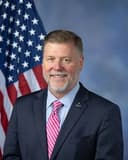
R· Arkansas
YRS IN OFFICE
15
BILLS LED
19
COSPONSOR BREAKDOWNBIPARTISAN · 67%
DEM 1 REP 2 IND 0
ACTION TIMELINE
3 EVENTSJUL 15
Referred to the Subcommittee on Highways and Transit.
JUL 14
Introduced in House
JUL 14
Referred to the Committee on Transportation and Infrastructure, and in addition to the Committee on Ways and Means, for a period to be subsequently determined by the Speaker, in each case for consideration of such provisions as fall within the jurisdiction of the committee concerned.
BILL INFO
TypeHouse Bill
NumberHR 4361
Congress119th
StatusIn Committee
IntroducedJul 14, 2025
Last actionJul 15, 2025
READER REACTIONS
OVERALL SENTIMENT
No reactions yet. Be the first to weigh in.
Discussion
Loading comments...
IN COMMITTEE· 119TH CONGRESS · TRANSPORTATION AND INFRASTRUCTURE COMMITTEE · INTRODUCED JUL 14, 2025
House BillHR 4361Transportation and Public Works
STOP China Act
INTRODUCED JUL 14, 2025· LAST ACTION JUL 15, 2025
PASSAGE CHANCES
—%
READING
9 min
COSPONSORS
3
COMPLEXITY
Moderate