Bills · HR 4346
REPORTED· 119TH CONGRESS
House BillHR 4346Civil actions and liabilityFraud offenses and financial crimes
PEACE Act of 2025
INTRO JUL 10· LAST ACTION OCT 3
READING
8MIN
COSPONSORS
4BIPARTISAN
READER REACTIONS0 TOTAL
NO VOTES YET · BE THE FIRST
- Reported, not passed
LEGISLATIVE PROGRESS
STEP 3 / 8Introduced
In Committee
Reported
Passed House
Passed Senate
Conference
To President
Became Law
WHAT THE BILL DOES
AI-writtenThis bill would most directly affect foreign financial institutions that have dealings with sanctioned Russian individuals or entities, or with companies in Russia's energy sector. These banks could lose their ability to conduct business through the U.S. financial system, making international transactions much harder for them.
Russian entities, particularly those in the energy sector like Gazprom, Rosneft, and Lukoil, would face increased isolation from global finance. The Ukrainian government and its citizens would also be affected, as funds from seized Russian assets would be directed to the Ukraine Support Fund, potentially bolstering Ukraine's defense and recovery efforts. U.S. financial institutions would be required to identify, seize, and transfer certain Russian assets, impacting their operations and client relationships.
KEY PROVISIONS
5AI-extractedPROVISION 01
Requires the U.S. Treasury to prohibit or impose strict conditions on U.S. accounts for foreign banks that provide significant services to sanctioned Russian entities or Russia's energy sector.
This provision aims to cut off Russia's access to the international financial system by targeting banks that support its sanctioned entities or energy industry.
PROVISION 02
Mandates the U.S. Treasury to seize, confiscate, or transfer 'covered Russian resources' held by U.S. financial institutions into the Ukraine Support Fund.
This would directly redirect Russian assets to aid Ukraine, providing financial support for defense and recovery efforts.
PROVISION 03
Requires the Treasury Secretary to determine within 90 days if major Russian energy companies (Gazprom, Rosneft, Lukoil) fall under the sanctions targeting the Russian energy sector.
This provision specifically targets some of Russia's largest and most important state-owned companies, potentially expanding the reach of sanctions.
PROVISION 04
Grants the President the authority to waive certain requirements of the sanctions for up to 180 days at a time, with reporting to Congress.
This allows for flexibility in implementing the sanctions, enabling the President to adapt to changing geopolitical circumstances or national interests.
PROVISION 05
Establishes civil and criminal penalties for individuals or entities that violate the regulations prescribed under this Act.
This ensures there are consequences for non-compliance, reinforcing the enforcement power of the new sanctions.
SPONSORSHIP
1 + 4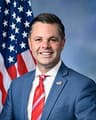
R· Iowa
YRS IN OFFICE
3
BILLS LED
61
COSPONSOR BREAKDOWNBIPARTISAN · 50%
DEM 3 REP 1 IND 0
ACTION TIMELINE
6 EVENTSOCT 3
Reported (Amended) by the Committee on Financial Services. H. Rept. 119-324.
OCT 3
Placed on the Union Calendar, Calendar No. 277.
JUL 22
Committee Consideration and Mark-up Session Held
JUL 22
Ordered to be Reported (Amended) by the Yeas and Nays: 53 - 1.
BILL INFO
TypeHouse Bill
NumberHR 4346
Congress119th
StatusReported
IntroducedJul 10, 2025
Last actionOct 3, 2025
READER REACTIONS
OVERALL SENTIMENT
No reactions yet. Be the first to weigh in.
Discussion
Loading comments...
REPORTED· 119TH CONGRESS · FINANCIAL SERVICES COMMITTEE · INTRODUCED JUL 10, 2025
House BillHR 4346Civil actions and liabilityFraud offenses and financial crimes
PEACE Act of 2025
INTRODUCED JUL 10, 2025· LAST ACTION OCT 3, 2025
PASSAGE CHANCES
—%
READING
8 min
COSPONSORS
4
COMPLEXITY
Moderate