Bills · HR 4336
IN COMMITTEE· 119TH CONGRESS
House BillHR 4336Foreign Trade and International Finance
CBP SPACE Act
INTRO JUL 10· LAST ACTION JUL 10
READING
3MIN
COSPONSORS
7BIPARTISAN
READER REACTIONS0 TOTAL
NO VOTES YET · BE THE FIRST
- Introduced only
LEGISLATIVE PROGRESS
STEP 2 / 8Introduced
In Committee
Reported
Passed House
Passed Senate
Conference
To President
Became Law
WHAT THE BILL DOES
AI-writtenThis bill matters because it changes a fundamental aspect of how U.S. border security infrastructure is funded. By allowing Customs and Border Protection (CBP) to use fees on imported goods for "capital costs" like new buildings and advanced equipment, it could provide a dedicated funding stream for modernizing facilities, especially at sea ports. This could lead to more efficient processing of goods and people entering the country, potentially reducing wait times and improving overall security. If this bill becomes law, CBP would have a clearer path to fund significant upgrades without solely relying on annual congressional appropriations, which can be less predictable.
However, it also raises questions about who ultimately pays. If the merchandise processing fees are increased to cover these capital costs, it could mean higher costs for businesses that import goods, which might then be passed on to American consumers through higher prices. If the bill doesn't pass, CBP would likely continue to rely on traditional budget allocations for major infrastructure projects, and sea ports might continue to face pressure to provide certain facilities without compensation.
KEY PROVISIONS
4AI-extractedPROVISION 01
Allows U.S. Customs and Border Protection (CBP) to use merchandise processing fees to cover "capital costs" in addition to salaries and operational expenses.
This gives CBP more flexibility to fund large infrastructure projects and equipment upgrades using an existing fee stream.
PROVISION 02
Specifically permits the use of merchandise processing fees to pay for capital costs related to passenger inspection services.
This ensures that fees collected can directly support improvements for processing travelers at ports of entry.
PROVISION 03
Prohibits the CBP Commissioner from requiring sea ports of entry to provide or maintain administrative, training, or recreational facilities for CBP.
This protects sea ports from potentially uncompensated financial burdens related to CBP's non-inspection-critical facilities.
PROVISION 04
Requires CBP to submit an annual report to Congress detailing the collection and use of merchandise processing fees for inspection facilities at sea ports and their outstanding capital needs.
This increases transparency and oversight of how these fees are utilized for infrastructure improvements.
SPONSORSHIP
1 + 7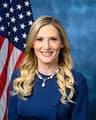
R· Florida
YRS IN OFFICE
3
BILLS LED
30
COSPONSOR BREAKDOWNBIPARTISAN · 85%
DEM 4 REP 3 IND 0
ACTION TIMELINE
2 EVENTSJUL 10
Introduced in House
JUL 10
Referred to the House Committee on Ways and Means.
BILL INFO
TypeHouse Bill
NumberHR 4336
Congress119th
StatusIn Committee
IntroducedJul 10, 2025
Last actionJul 10, 2025
READER REACTIONS
OVERALL SENTIMENT
No reactions yet. Be the first to weigh in.
Discussion
Loading comments...
IN COMMITTEE· 119TH CONGRESS · WAYS AND MEANS COMMITTEE · INTRODUCED JUL 10, 2025
House BillHR 4336Foreign Trade and International Finance
CBP SPACE Act
INTRODUCED JUL 10, 2025· LAST ACTION JUL 10, 2025
PASSAGE CHANCES
—%
READING
3 min
COSPONSORS
7
COMPLEXITY
Moderate