Bills · HR 4207
IN COMMITTEE· 119TH CONGRESS
House BillHR 4207International Affairs
No WHO Pandemic Preparedness Treaty Without Senate Approval Act
INTRO JUN 26· LAST ACTION JUN 26
READING
6MIN
COSPONSORS
12
READER REACTIONS0 TOTAL
NO VOTES YET · BE THE FIRST
- Introduced only
LEGISLATIVE PROGRESS
STEP 2 / 8Introduced
In Committee
Reported
Passed House
Passed Senate
Conference
To President
Became Law
WHAT THE BILL DOES
AI-writtenThis bill matters because it's about who gets to make crucial decisions regarding global health and national sovereignty. If it becomes law, it ensures that major international agreements on pandemic response developed by the World Health Organization receive a full public debate and a supermajority vote in the U.S. Senate. This could lead to greater transparency and democratic accountability for how the U.S. engages with global health bodies, especially concerning future pandemics.
Without this bill, a President could potentially enter into such agreements as executive agreements, which do not require Senate approval, making it a quicker process but with less direct Congressional oversight. Voters should care because it defines the balance of power between the executive and legislative branches on international commitments that could have profound impacts on public health, economic activity, and individual freedoms during a global health crisis.
KEY PROVISIONS
3AI-extractedPROVISION 01
Requires any international pandemic prevention, preparedness, and response agreement from the World Health Assembly to be considered a treaty.
This elevates the legal status of such agreements, mandating a higher level of scrutiny and approval by the U.S. government.
PROVISION 02
Subjects these agreements to the 'advice and consent' of the Senate, meaning a two-thirds vote is needed for U.S. ratification.
This ensures significant Congressional input and a broader consensus within the legislative branch for major international health commitments.
PROVISION 03
States that Congress strongly prefers these agreements to be considered treaties due to their broad scope and potential impact.
This provides a clear legislative directive and rationale for the required Senate review.
SPONSORSHIP
1 + 12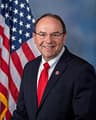
R· Wisconsin
YRS IN OFFICE
6
BILLS LED
17
COSPONSOR BREAKDOWNBIPARTISAN · 0%
DEM 0 REP 12 IND 0
ACTION TIMELINE
2 EVENTSJUN 26
Introduced in House
JUN 26
Referred to the House Committee on Foreign Affairs.
BILL INFO
TypeHouse Bill
NumberHR 4207
Congress119th
StatusIn Committee
IntroducedJun 26, 2025
Last actionJun 26, 2025
READER REACTIONS
OVERALL SENTIMENT
No reactions yet. Be the first to weigh in.
Discussion
Loading comments...
IN COMMITTEE· 119TH CONGRESS · FOREIGN AFFAIRS COMMITTEE · INTRODUCED JUN 26, 2025
House BillHR 4207International Affairs
No WHO Pandemic Preparedness Treaty Without Senate Approval Act
INTRODUCED JUN 26, 2025· LAST ACTION JUN 26, 2025
PASSAGE CHANCES
—%
READING
6 min
COSPONSORS
12
COMPLEXITY
Moderate