Bills · HR 4140
REPORTED· 119TH CONGRESS
House BillHR 4140Licensing and registrationsBangladesh
Burma GAP Act
INTRO JUN 25· LAST ACTION JUL 22
READING
17MIN
COSPONSORS
21
READER REACTIONS0 TOTAL
NO VOTES YET · BE THE FIRST
- Reported, not passed
LEGISLATIVE PROGRESS
STEP 3 / 8Introduced
In Committee
Reported
Passed House
Passed Senate
Conference
To President
Became Law
WHAT THE BILL DOES
AI-writtenVoters should care about this bill because it addresses a severe ongoing human rights crisis, formalizing the U.S. government's commitment to protecting a vulnerable population and holding perpetrators of atrocities accountable. If this bill becomes law, it would solidify the U.S.'s stance on the Rohingya crisis and the Burma military's actions, potentially influencing future foreign policy decisions, diplomatic efforts, and aid allocation.
Without this bill, while the U.S. may still engage in similar activities, the official declaration of policy and the sense of Congress outlined here would provide a stronger, unified foundation for U.S. actions. It signals to international partners and the Burma military that the U.S. considers the situation a top priority for human rights and justice.
KEY PROVISIONS
4AI-extractedPROVISION 01
Declares it U.S. policy to provide protection, support, and humanitarian assistance to Rohingya refugees and internally displaced people in Burma.
This officially commits the U.S. to a course of action for a severely persecuted ethnic group.
PROVISION 02
States U.S. policy to promote accountability for genocide and crimes against humanity committed against Rohingya.
This formalizes the U.S. position on prosecuting perpetrators and preventing future atrocities.
PROVISION 03
Expresses the U.S. policy to diplomatically and economically isolate the Burma military junta until civilian rule returns.
This outlines a clear strategy for U.S. engagement with the current regime in Burma.
PROVISION 04
Expresses the sense of Congress that the U.S. should ensure Rohingya refugees in Bangladesh receive sufficient food and nutrition.
This highlights the urgency of addressing severe humanitarian needs in refugee camps.
SPONSORSHIP
1 + 21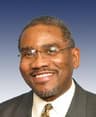
D· New York
YRS IN OFFICE
29
BILLS LED
44
COSPONSOR BREAKDOWNBIPARTISAN · 48%
DEM 16 REP 5 IND 0
ACTION TIMELINE
4 EVENTSJUL 22
Committee Consideration and Mark-up Session Held
JUL 22
Ordered to be Reported (Amended) by the Yeas and Nays: 44 - 5.
JUN 25
Introduced in House
JUN 25
Referred to the House Committee on Foreign Affairs.
BILL INFO
TypeHouse Bill
NumberHR 4140
Congress119th
StatusReported
IntroducedJun 25, 2025
Last actionJul 22, 2025
READER REACTIONS
OVERALL SENTIMENT
No reactions yet. Be the first to weigh in.
Discussion
Loading comments...
REPORTED· 119TH CONGRESS · FOREIGN AFFAIRS COMMITTEE · INTRODUCED JUN 25, 2025
House BillHR 4140Licensing and registrationsBangladesh
Burma GAP Act
INTRODUCED JUN 25, 2025· LAST ACTION JUL 22, 2025
PASSAGE CHANCES
—%
READING
17 min
COSPONSORS
21
COMPLEXITY
Moderate