Bills · HR 4036
IN COMMITTEE· 119TH CONGRESS
House BillHR 4036Congress
No Shorting America Act
INTRO JUN 17· LAST ACTION JUN 17
READING
4MIN
COSPONSORS
1
READER REACTIONS0 TOTAL
NO VOTES YET · BE THE FIRST
- Introduced only
LEGISLATIVE PROGRESS
STEP 2 / 8Introduced
In Committee
Reported
Passed House
Passed Senate
Conference
To President
Became Law
WHAT THE BILL DOES
AI-writtenVoters should care about this bill because it addresses concerns about potential conflicts of interest and fairness in the financial dealings of their elected representatives. When Members of Congress and their families can profit from companies performing poorly, it can raise questions about whether their legislative decisions might be influenced by personal financial gain rather than the public good.
If this bill becomes law, it could help restore public confidence in Congress by making it harder for lawmakers to personally benefit from economic downturns or decisions that negatively impact specific industries. If it doesn't pass, the current rules would remain in place, allowing Members of Congress and their families to continue engaging in short sales, which some perceive as an ethical grey area given their access to information and influence over policy.
KEY PROVISIONS
4AI-extractedPROVISION 01
Prohibits Members of Congress, their spouses, and dependents from engaging in short sales of securities, security futures, commodities, or derivatives linked to companies listed on national stock exchanges.
This directly limits the investment options for lawmakers and their families, preventing them from profiting when specific company values decline.
PROVISION 02
Requires Members of Congress to submit a pledge of compliance to their ethics office and provide information to prove they are following the rules. The ethics office will then publish certificates of compliance.
This establishes a system for accountability and transparency, allowing the public to see that lawmakers are adhering to the new investment rules.
PROVISION 03
If a covered individual knowingly and willfully violates the short selling ban, the Attorney General can impose a civil penalty of up to $50,000, which cannot be paid using official government or campaign funds.
This provision provides a significant financial deterrent and ensures that any penalties for violating the ban are borne personally, not by taxpayers or donors.
PROVISION 04
Losses from short sales made in violation of this bill cannot be used to reduce the amount of income tax owed by the individual.
This removes a potential financial benefit or loophole for illegal short sales, reinforcing the deterrent effect of the ban.
SPONSORSHIP
1 + 1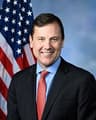
R· New Jersey
YRS IN OFFICE
3
BILLS LED
37
COSPONSOR BREAKDOWNBIPARTISAN · 0%
DEM 1 REP 0 IND 0
ACTION TIMELINE
2 EVENTSJUN 17
Introduced in House
JUN 17
Referred to the House Committee on House Administration.
BILL INFO
TypeHouse Bill
NumberHR 4036
Congress119th
StatusIn Committee
IntroducedJun 17, 2025
Last actionJun 17, 2025
READER REACTIONS
OVERALL SENTIMENT
No reactions yet. Be the first to weigh in.
Discussion
Loading comments...
IN COMMITTEE· 119TH CONGRESS · COMMITTEE ON HOUSE ADMINISTRATION · INTRODUCED JUN 17, 2025
House BillHR 4036Congress
No Shorting America Act
INTRODUCED JUN 17, 2025· LAST ACTION JUN 17, 2025
PASSAGE CHANCES
—%
READING
4 min
COSPONSORS
1
COMPLEXITY
Moderate