Bills · HR 3956
IN COMMITTEE· 119TH CONGRESS
House BillHR 3956Native Americans
Food Distribution Program on Indian Reservations (FDPIR) Act of 2025
INTRO JUN 12· LAST ACTION JUN 12
READING
4MIN
COSPONSORS
3BIPARTISAN
READER REACTIONS0 TOTAL
NO VOTES YET · BE THE FIRST
- Introduced only
LEGISLATIVE PROGRESS
STEP 2 / 8Introduced
In Committee
Reported
Passed House
Passed Senate
Conference
To President
Became Law
WHAT THE BILL DOES
AI-writtenThis bill matters because it shifts control over a vital food assistance program from the federal government to Native American tribes. For many years, federal programs have been criticized for not adequately addressing the unique cultural and dietary needs of tribal communities. If this bill passes, tribes would have the power to select culturally relevant foods, support local economies, and tailor food distribution to their specific populations, potentially improving the health and well-being of their members by offering foods that are not only nutritious but also culturally appropriate.
If the bill does not pass, the current system of federal administration of FDPIR would continue, alongside a limited demonstration program. This means tribes would remain subject to federal decisions regarding food procurement and program operations, which may not always align with tribal priorities or local food systems. The bill aims to empower tribal self-determination by allowing them to manage a key aspect of their community welfare directly, rather than relying solely on federal oversight.
KEY PROVISIONS
5AI-extractedPROVISION 01
Authorizes Indian entities (Tribes and Tribal Organizations) to enter into agreements with the USDA to directly manage the Food Distribution Program on Indian Reservations (FDPIR).
This shifts control and decision-making for a critical food assistance program from the federal government to tribal communities.
PROVISION 02
Allows Indian entities to purchase domestically produced agricultural commodities for FDPIR, including foods of similar or higher nutritional value, or those with Tribal significance.
This enables food packages to better reflect the dietary and cultural heritage of Native American communities.
PROVISION 03
Requires that the negotiation and administration of these agreements follow the principles of the Indian Self-Determination and Education Assistance Act, with ambiguities resolved in favor of the Indian entity.
This ensures tribal self-governance principles are applied to the administration of this food program, giving tribes more control.
PROVISION 04
Terminates existing FDPIR demonstration projects established under previous law once their current contracts expire.
This indicates a transition from temporary pilot programs to a permanent and broader authority for tribal administration of FDPIR.
PROVISION 05
Requires the Secretary of Agriculture to submit annual reports to Congress detailing the activities carried out by Indian entities under these new agreements.
This provides transparency and oversight regarding the implementation and effectiveness of tribal-led FDPIR programs.
SPONSORSHIP
1 + 3
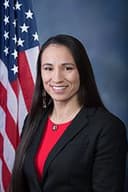
D· Kansas
YRS IN OFFICE
7
BILLS LED
29
COSPONSOR BREAKDOWNBIPARTISAN · 66%
DEM 1 REP 2 IND 0
ACTION TIMELINE
2 EVENTSJUN 12
Introduced in House
JUN 12
Referred to the House Committee on Agriculture.
BILL INFO
TypeHouse Bill
NumberHR 3956
Congress119th
StatusIn Committee
IntroducedJun 12, 2025
Last actionJun 12, 2025
READER REACTIONS
OVERALL SENTIMENT
No reactions yet. Be the first to weigh in.
Discussion
Loading comments...
IN COMMITTEE· 119TH CONGRESS · AGRICULTURE COMMITTEE · INTRODUCED JUN 12, 2025
House BillHR 3956Native Americans
Food Distribution Program on Indian Reservations (FDPIR) Act of 2025
INTRODUCED JUN 12, 2025· LAST ACTION JUN 12, 2025
PASSAGE CHANCES
—%
READING
4 min
COSPONSORS
3
COMPLEXITY
Moderate