Bills · HR 3927
IN COMMITTEE· 119TH CONGRESS
House BillHR 3927Environmental Protection
Nationwide Permitting Improvement Act
INTRO JUN 11· LAST ACTION JUN 13
READING
4MIN
COSPONSORS
0
READER REACTIONS0 TOTAL
NO VOTES YET · BE THE FIRST
- Introduced only
LEGISLATIVE PROGRESS
STEP 2 / 8Introduced
In Committee
Reported
Passed House
Passed Senate
Conference
To President
Became Law
WHAT THE BILL DOES
AI-writtenThis bill matters to voters because it directly impacts the balance between economic development, particularly for infrastructure projects, and environmental protection. If it becomes law, it could accelerate the construction of energy, transportation, and communication infrastructure by streamlining the permitting process for projects that impact wetlands and other water bodies. This could lead to quicker project completion and potentially lower costs for developers, which some argue could boost the economy.
However, it also changes how environmental impacts are assessed, potentially reducing federal oversight and the scope of environmental review for a significant number of projects. This could concern voters who prioritize protecting water quality, sensitive wetlands, and endangered species, as it might lead to more cumulative environmental damage from numerous small projects that are deemed 'minimal' or receive less rigorous review. The bill essentially shifts the regulatory burden and the level of environmental scrutiny for a wide range of construction activities near water.
KEY PROVISIONS
5AI-extractedPROVISION 01
Extends the maximum term for general permits issued under the Federal Water Pollution Control Act from five years to ten years.
This provides developers with longer permit validity, reducing the frequency of reapplication and associated administrative burdens.
PROVISION 02
Limits environmental impact reviews for general permits to only consider the direct effects of the discharge of dredged or fill material.
This narrows the scope of environmental assessment, potentially overlooking broader or indirect ecological impacts of a project.
PROVISION 03
Declares that discharges into less than 3 acres of navigable waters are automatically considered to have a minimal adverse environmental effect.
This provision sets a specific threshold that could exempt many smaller projects from more stringent environmental scrutiny.
PROVISION 04
Requires the Army Corps of Engineers to maintain nationwide general permits for linear infrastructure projects impacting less than 3 acres of navigable waters.
This ensures a streamlined permitting pathway for a broad category of infrastructure, potentially accelerating construction timelines.
PROVISION 05
Removes requirements for consultation under the Endangered Species Act and simplifies reviews under the National Environmental Policy Act when reissuing nationwide permits.
This streamlines the reissuance process but reduces opportunities for environmental agencies to weigh in on potential impacts to protected species or the environment.
SPONSORSHIP
1 + 0
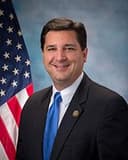
R· North Carolina
YRS IN OFFICE
11
BILLS LED
30
ACTION TIMELINE
3 EVENTSJUN 13
Referred to the Subcommittee on Water Resources and Environment.
JUN 11
Introduced in House
JUN 11
Referred to the House Committee on Transportation and Infrastructure.
BILL INFO
TypeHouse Bill
NumberHR 3927
Congress119th
StatusIn Committee
IntroducedJun 11, 2025
Last actionJun 13, 2025
READER REACTIONS
OVERALL SENTIMENT
No reactions yet. Be the first to weigh in.
Discussion
Loading comments...
IN COMMITTEE· 119TH CONGRESS · TRANSPORTATION AND INFRASTRUCTURE COMMITTEE · INTRODUCED JUN 11, 2025
House BillHR 3927Environmental Protection
Nationwide Permitting Improvement Act
INTRODUCED JUN 11, 2025· LAST ACTION JUN 13, 2025
PASSAGE CHANCES
—%
READING
4 min
COSPONSORS
0
COMPLEXITY
Moderate