Bills · HR 3889
IN COMMITTEE· 119TH CONGRESS
House BillHR 3889Civil actions and liabilityFirst responders and emergency personnel
National Prescribed Fire Act of 2025
INTRO JUN 10· LAST ACTION JUN 10
READING
28MIN
COSPONSORS
2BIPARTISAN
READER REACTIONS0 TOTAL
NO VOTES YET · BE THE FIRST
- Introduced only
LEGISLATIVE PROGRESS
STEP 2 / 8Introduced
In Committee
Reported
Passed House
Passed Senate
Conference
To President
Became Law
WHAT THE BILL DOES
AI-writtenThis bill matters because wildfires have become a major threat across the U.S., destroying homes, natural resources, and impacting air quality. If this bill becomes law, it aims to reduce the severity and frequency of large, destructive wildfires by making it easier for land managers to use prescribed fire as a tool. This could lead to healthier forests, safer communities, and potentially lower overall costs associated with emergency wildfire response.
Without this bill, federal land management agencies might continue to face limitations or bureaucratic hurdles in expanding their prescribed fire programs. The current approach to wildfire management often relies heavily on suppressing fires once they start, which can be more costly and less effective in the long run. By encouraging proactive controlled burns and supporting traditional Indigenous practices, the bill seeks a fundamental shift in how the U.S. manages its fire-prone landscapes.
KEY PROVISIONS
4AI-extractedPROVISION 01
Directs the Secretaries of Interior and Agriculture to encourage and expand prescribed fire use on federal lands, focusing on national forests in the western and southeastern U.S.
This establishes a clear mandate for federal agencies to prioritize and increase controlled burning as a key land management strategy.
PROVISION 02
Allows federal agencies to use up to 15% of existing hazardous fuels management funds for a broader range of prescribed fire activities.
This provides greater financial flexibility for agencies to implement prescribed fire programs, including funding grants and training.
PROVISION 03
Acknowledges and supports the long-standing use of cultural burning by Indian Tribes and Indigenous practitioners.
This provision recognizes and integrates traditional ecological knowledge into federal land management practices.
PROVISION 04
Permits federal funds to be used for prescribed fire activities on non-Federal land if those activities benefit Federal land.
This allows for more comprehensive fire management across property boundaries, addressing fires that don't respect ownership lines.
SPONSORSHIP
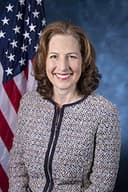
1 + 2
D· Washington
YRS IN OFFICE
7
BILLS LED
23
COSPONSOR BREAKDOWNBIPARTISAN · 100%
DEM 1 REP 1 IND 0
ACTION TIMELINE
2 EVENTSJUN 10
Introduced in House
JUN 10
Referred to the Committee on Natural Resources, and in addition to the Committees on Agriculture, and Energy and Commerce, for a period to be subsequently determined by the Speaker, in each case for consideration of such provisions as fall within the jurisdiction of the committee concerned.
BILL INFO
TypeHouse Bill
NumberHR 3889
Congress119th
StatusIn Committee
IntroducedJun 10, 2025
Last actionJun 10, 2025
READER REACTIONS
OVERALL SENTIMENT
No reactions yet. Be the first to weigh in.
Discussion
Loading comments...
IN COMMITTEE· 119TH CONGRESS · AGRICULTURE COMMITTEE · INTRODUCED JUN 10, 2025
House BillHR 3889Civil actions and liabilityFirst responders and emergency personnel
National Prescribed Fire Act of 2025
INTRODUCED JUN 10, 2025· LAST ACTION JUN 10, 2025
PASSAGE CHANCES
—%
READING
28 min
COSPONSORS
2
COMPLEXITY
Moderate