Bills · HR 3864
IN COMMITTEE· 119TH CONGRESS
House BillHR 3864Health
Protecting Health Care for All Patients Act of 2025
INTRO JUN 10· LAST ACTION JUN 10
READING
5MIN
COSPONSORS
3
READER REACTIONS0 TOTAL
NO VOTES YET · BE THE FIRST
- Introduced only
LEGISLATIVE PROGRESS
STEP 2 / 8Introduced
In Committee
Reported
Passed House
Passed Senate
Conference
To President
Became Law
WHAT THE BILL DOES
AI-writtenThis bill matters because it addresses concerns about potential discrimination in healthcare access and funding based on a person's perceived "quality of life." If passed, it would ensure that federal health programs do not use formulas that might indirectly or directly devalue the lives of vulnerable populations—such as the elderly, disabled, or terminally ill—when deciding which treatments to pay for or how much to reimburse.
Without this bill, there's a risk that cost-effectiveness analyses using measures like QALYs could lead to certain treatments or medications being deemed less valuable for these groups, potentially limiting their access to care. By prohibiting these measures, the bill aims to promote a healthcare system where all lives are valued equally in coverage and payment decisions, ensuring that medical necessity and individual needs are the primary factors.
KEY PROVISIONS
5AI-extractedPROVISION 01
Prohibits federal health care programs (including Medicare, Medicaid, CHIP, and federal employee health plans) from using "quality-adjusted life years" (QALYs) or similar measures in decisions about what treatments to cover and how much to pay.
This ensures that coverage decisions are not based on a numerical valuation of a person's life quality.
PROVISION 02
Explicitly prevents federal agencies and states from assigning lower value to extending the life of an elderly, disabled, or terminally ill individual compared to a younger, non-disabled, or non-terminally ill individual.
This directly targets potential discrimination against vulnerable populations in healthcare access.
PROVISION 03
Extends this prohibition to Medicare Advantage plans, Medicare Part D prescription drug plans, Medicaid managed care organizations, and State Children's Health Insurance Plans (CHIP).
This ensures all parts of federal health programs comply with the prohibition, closing potential loopholes.
PROVISION 04
Prevents any federal agency or state from using waivers or other demonstration authorities to bypass this prohibition.
This ensures the ban on QALYs cannot be sidestepped through other administrative means.
PROVISION 05
Adjusts funding levels for the Prevention and Public Health Fund, allocating specific amounts for fiscal years 2026-2031.
This specifies changes to funding for public health initiatives.
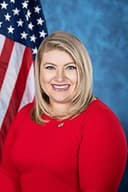
SPONSORSHIP
1 + 3
R· Florida
YRS IN OFFICE
5
BILLS LED
27
COSPONSOR BREAKDOWNBIPARTISAN · 0%
DEM 0 REP 3 IND 0
ACTION TIMELINE
2 EVENTSJUN 10
Introduced in House
JUN 10
Referred to the Committee on Energy and Commerce, and in addition to the Committee on Ways and Means, for a period to be subsequently determined by the Speaker, in each case for consideration of such provisions as fall within the jurisdiction of the committee concerned.
BILL INFO
TypeHouse Bill
NumberHR 3864
Congress119th
StatusIn Committee
IntroducedJun 10, 2025
Last actionJun 10, 2025
READER REACTIONS
OVERALL SENTIMENT
No reactions yet. Be the first to weigh in.
Discussion
Loading comments...
IN COMMITTEE· 119TH CONGRESS · WAYS AND MEANS COMMITTEE · INTRODUCED JUN 10, 2025
House BillHR 3864Health
Protecting Health Care for All Patients Act of 2025
INTRODUCED JUN 10, 2025· LAST ACTION JUN 10, 2025
PASSAGE CHANCES
—%
READING
5 min
COSPONSORS
3
COMPLEXITY
Moderate