Bills · HR 3819
IN COMMITTEE· 119TH CONGRESS
House BillHR 3819Water Resources Development
PROTECT Florida Act
INTRO JUN 6· LAST ACTION JUN 7
READING
3MIN
COSPONSORS
0
READER REACTIONS0 TOTAL
NO VOTES YET · BE THE FIRST
- Introduced only
LEGISLATIVE PROGRESS
STEP 2 / 8Introduced
In Committee
Reported
Passed House
Passed Senate
Conference
To President
Became Law
WHAT THE BILL DOES
AI-writtenThis bill matters because it addresses a major environmental and public health crisis in Florida: persistent harmful algal blooms and water pollution that impact quality of life, local economies, and ecosystems. Currently, the water system balances many competing interests, which sometimes leads to large discharges from Lake Okeechobee that carry pollutants and contribute to toxic algae in coastal estuaries. If this bill becomes law, it would elevate public health above all other considerations in water management decisions, potentially leading to significant changes in how water is moved and stored.
Voters should care because it could mean a tangible improvement in water quality, reduced health risks from cyanobacteria toxins, and a healthier Everglades ecosystem. However, it might also mean re-evaluating long-standing water management practices that support agriculture or other industries. If the bill doesn't pass, the current system of balancing interests would continue, and communities might continue to face the same water quality challenges and public health concerns related to harmful algal blooms.
KEY PROVISIONS
5AI-extractedPROVISION 01
Requires the Army Corps of Engineers to modify water management in Central and Southern Florida so that public health is the top priority, overriding all other authorized project purposes.
This fundamentally shifts how water is managed, giving public health precedence over uses like flood control, navigation, and water supply for other industries.
PROVISION 02
Defines 'public health' in the context of this bill as minimizing toxic cyanobacteria and harmful algal blooms, preventing related toxin discharges, ensuring the integrity of the Herbert Hoover Dike, upholding water quality laws, and providing necessary water to the Everglades.
This specific definition provides clear objectives for the Army Corps of Engineers to follow when prioritizing public health.
PROVISION 03
Directs the Secretary of the Army to create or update a Master Operational Manual for the Central and Southern Florida system, managing all elements to protect public health and restore the Everglades.
This ensures a comprehensive and coordinated approach to water management under the new public health priority.
PROVISION 04
Mandates a study by the Secretary of the Army and the National Academies of Sciences on pollution and nutrient loading in the system, including proposed solutions to reduce impacts on downstream watersheds.
This provision aims to identify the root causes of water pollution and suggest remedies to improve water quality in affected areas.
PROVISION 05
Prohibits the use of Everglades restoration funds for Deep Well Injection (DWI) of excess flood or other waters.
This prevents a specific method of water disposal from being funded by money intended for ecological restoration, reflecting concerns about its environmental impact.
SPONSORSHIP
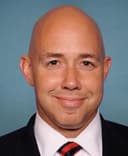
1 + 0
R· Florida
YRS IN OFFICE
9
BILLS LED
44
ACTION TIMELINE
3 EVENTSJUN 7
Referred to the Subcommittee on Water Resources and Environment.
JUN 6
Introduced in House
JUN 6
Referred to the House Committee on Transportation and Infrastructure.
BILL INFO
TypeHouse Bill
NumberHR 3819
Congress119th
StatusIn Committee
IntroducedJun 6, 2025
Last actionJun 7, 2025
READER REACTIONS
OVERALL SENTIMENT
No reactions yet. Be the first to weigh in.
Discussion
Loading comments...
IN COMMITTEE· 119TH CONGRESS · TRANSPORTATION AND INFRASTRUCTURE COMMITTEE · INTRODUCED JUN 6, 2025
House BillHR 3819Water Resources Development
PROTECT Florida Act
INTRODUCED JUN 6, 2025· LAST ACTION JUN 7, 2025
PASSAGE CHANCES
—%
READING
3 min
COSPONSORS
0
COMPLEXITY
Moderate