Bills · HR 3812
REPORTED· 119TH CONGRESS
House BillHR 3812Veterans' medical careHealth care costs and insurance
STRIVE Act of 2025
INTRO JUN 6· LAST ACTION NOV 7
READING
4MIN
COSPONSORS
8
READER REACTIONS0 TOTAL
NO VOTES YET · BE THE FIRST
- Reported, not passed
LEGISLATIVE PROGRESS
STEP 3 / 8Introduced
In Committee
Reported
Passed House
Passed Senate
Conference
To President
Became Law
WHAT THE BILL DOES
AI-writtenThis bill matters because it aims to protect veterans from receiving unexpected or very old medical bills from the VA, which can be a source of significant financial stress and confusion. By putting a time limit on when the VA can collect copayments, especially if they haven't provided timely notice, it ensures veterans aren't penalized for administrative delays within the VA.
If this bill becomes law, it could provide financial relief for many veterans and push the VA to improve its billing and notification processes to be more efficient and transparent. If it doesn't pass, veterans may continue to face the burden of receiving delayed copayment invoices for services rendered years ago, potentially leading to ongoing financial and administrative challenges.
KEY PROVISIONS
4AI-extractedPROVISION 01
Prohibits the VA from collecting healthcare copayments from a veteran if two years have passed since the care was provided and the VA failed to provide timely notice of the copayment.
This protects veterans from unexpected or very old medical bills that result from VA administrative delays.
PROVISION 02
Prohibits the VA from collecting healthcare copayments if two years have passed since the care and the VA failed to notify the veteran that their total copayments for care exceeded a specified amount (starting at $2,000, adjusted annually for inflation).
This protects veterans from accumulating large, undisclosed healthcare debts if the VA doesn't keep them informed of their growing total costs.
PROVISION 03
Grants the VA Secretary the authority to waive copayments for veterans when deemed appropriate, even without a request from the veteran.
This provides the VA with more flexibility to offer financial relief to veterans facing healthcare costs in deserving situations.
PROVISION 04
Extends the limit on certain veteran pension payments from November 30, 2031, to February 29, 2032.
This makes a minor adjustment to an existing law related to veteran pension eligibility, slightly extending the period for these limits.
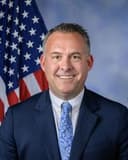
SPONSORSHIP
1 + 8
D· California
YRS IN OFFICE
1
BILLS LED
8
COSPONSOR BREAKDOWNBIPARTISAN · 0%
DEM 8 REP 0 IND 0
ACTION TIMELINE
6 EVENTSNOV 7
Reported (Amended) by the Committee on Veterans' Affairs. H. Rept. 119-371.
NOV 7
Placed on the Union Calendar, Calendar No. 323.
JUL 23
Committee Consideration and Mark-up Session Held
JUL 23
Ordered to be Reported (Amended) by Voice Vote.
BILL INFO
TypeHouse Bill
NumberHR 3812
Congress119th
StatusReported
IntroducedJun 6, 2025
Last actionNov 7, 2025
READER REACTIONS
OVERALL SENTIMENT
No reactions yet. Be the first to weigh in.
Discussion
Loading comments...
REPORTED· 119TH CONGRESS · VETERANS' AFFAIRS COMMITTEE · INTRODUCED JUN 6, 2025
House BillHR 3812Veterans' medical careHealth care costs and insurance
STRIVE Act of 2025
INTRODUCED JUN 6, 2025· LAST ACTION NOV 7, 2025
PASSAGE CHANCES
—%
READING
4 min
COSPONSORS
8
COMPLEXITY
Moderate