Bills · HR 3810
IN COMMITTEE· 119TH CONGRESS
House BillHR 3810Crime and Law Enforcement
SKIM Act
INTRO JUN 6· LAST ACTION JUN 6
READING
3MIN
COSPONSORS
17
READER REACTIONS0 TOTAL
NO VOTES YET · BE THE FIRST
- Introduced only
LEGISLATIVE PROGRESS
STEP 2 / 8Introduced
In Committee
Reported
Passed House
Passed Senate
Conference
To President
Became Law
WHAT THE BILL DOES
AI-writtenVoters should care about this bill because credit and debit card fraud is a widespread issue that costs consumers and businesses billions of dollars each year, eroding trust and causing significant financial hardship for individuals. If this bill becomes law, it aims to make penalties for these crimes more severe and consistent, potentially deterring fraudsters and providing a stronger sense of justice for victims. Stronger penalties could also encourage law enforcement to prioritize these investigations.
Beyond penalties, the required report to Congress would shine a light on the effectiveness of current efforts to combat fraud across different levels of government. This transparency could lead to better coordination, the adoption of new technologies, and more effective strategies for protecting people's financial information. Without this bill, sentencing guidelines might remain unchanged, and the comprehensive assessment of law enforcement's anti-fraud efforts would not be mandated, potentially leaving gaps in enforcement and a lack of data to improve future strategies.
KEY PROVISIONS
4AI-extractedPROVISION 01
Requires the U.S. Sentencing Commission to increase the baseline sentencing enhancement for access device fraud by 4 levels.
This makes penalties for credit and debit card fraud significantly harsher, potentially deterring criminals.
PROVISION 02
Establishes a minimum offense level of 14 for access device fraud cases if the calculated level is lower.
This ensures a floor for punishment, preventing exceptionally light sentences for serious fraud offenses.
PROVISION 03
Clarifies that 'loss' in cases with 10 or more fraudulent devices includes all unauthorized charges, regardless of amount.
This ensures that all financial harm caused by large-scale fraud schemes is considered when determining sentences.
PROVISION 04
Directs the Attorney General and Secretary of Homeland Security to report to Congress on efforts to combat access device fraud.
This provides Congress with crucial data on current strategies, challenges, and areas for improvement in fighting fraud.
SPONSORSHIP
1 + 17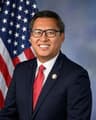
R· California
YRS IN OFFICE
2
BILLS LED
16
COSPONSOR BREAKDOWNBIPARTISAN · 0%
DEM 0 REP 17 IND 0
ACTION TIMELINE
2 EVENTSJUN 6
Introduced in House
JUN 6
Referred to the House Committee on the Judiciary.
BILL INFO
TypeHouse Bill
NumberHR 3810
Congress119th
StatusIn Committee
IntroducedJun 6, 2025
Last actionJun 6, 2025
READER REACTIONS
OVERALL SENTIMENT
No reactions yet. Be the first to weigh in.
Discussion
Loading comments...
IN COMMITTEE· 119TH CONGRESS · JUDICIARY COMMITTEE · INTRODUCED JUN 6, 2025
House BillHR 3810Crime and Law Enforcement
SKIM Act
INTRODUCED JUN 6, 2025· LAST ACTION JUN 6, 2025
PASSAGE CHANCES
—%
READING
3 min
COSPONSORS
17
COMPLEXITY
Moderate