Bills · HR 3805
IN COMMITTEE· 119TH CONGRESS
House BillHR 3805Science, Technology, Communications
Protecting Community Television Act
INTRO JUN 6· LAST ACTION JUN 6
READING
1MIN
COSPONSORS
7
READER REACTIONS0 TOTAL
NO VOTES YET · BE THE FIRST
- Introduced only
LEGISLATIVE PROGRESS
STEP 2 / 8Introduced
In Committee
Reported
Passed House
Passed Senate
Conference
To President
Became Law
WHAT THE BILL DOES
AI-writtenThis bill matters because it impacts how local community services, particularly public access television (PEG channels), are funded. For decades, cable companies have paid a franchise fee to local governments for using public rights-of-way, usually capped at 5% of their gross revenues. However, some local governments have also required cable companies to provide 'in-kind' services—like funding public access studios or offering free cable to schools—arguing these are separate from the cash fee and thus not subject to the 5% cap. This bill would legally define all such contributions with a monetary value as part of that 5% fee.
If this bill becomes law, local governments might no longer be able to demand these additional 'in-kind' contributions if they are already collecting the maximum 5% cash fee. This could mean a significant reduction in resources for PEG channels and other community programs that have historically relied on these contributions. If the bill doesn't become law, the current ability for local governments to potentially secure both a cash fee and additional 'in-kind' services could continue, allowing them more flexibility in funding local public resources.
KEY PROVISIONS
3AI-extractedPROVISION 01
Changes the word "includes" to "means" in the definition of "franchise fee" within Section 622(g)(1) of the Communications Act of 1934.
This makes the legal definition of what constitutes a franchise fee exhaustive and precise, closing potential loopholes for separate charges.
PROVISION 02
Inserts the phrase "other monetary" before "assessment" in the definition of "franchise fee."
This clarifies that all financial obligations, including the monetary value of services, must be counted as part of the total franchise fee.
PROVISION 03
Amends Section 622(g)(1) of the Communications Act of 1934 (47 U.S.C. 542(g)(1)).
This is the specific federal statute that governs the fees cable operators pay to local authorities for their right to operate.
SPONSORSHIP
1 + 7
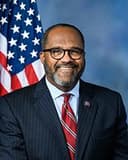
D· Louisiana
YRS IN OFFICE
5
BILLS LED
30
COSPONSOR BREAKDOWNBIPARTISAN · 0%
DEM 7 REP 0 IND 0
ACTION TIMELINE
2 EVENTSJUN 6
Introduced in House
JUN 6
Referred to the House Committee on Energy and Commerce.
BILL INFO
TypeHouse Bill
NumberHR 3805
Congress119th
StatusIn Committee
IntroducedJun 6, 2025
Last actionJun 6, 2025
READER REACTIONS
OVERALL SENTIMENT
No reactions yet. Be the first to weigh in.
Discussion
Loading comments...
IN COMMITTEE· 119TH CONGRESS · ENERGY AND COMMERCE COMMITTEE · INTRODUCED JUN 6, 2025
House BillHR 3805Science, Technology, Communications
Protecting Community Television Act
INTRODUCED JUN 6, 2025· LAST ACTION JUN 6, 2025
PASSAGE CHANCES
—%
READING
1 min
COSPONSORS
7
COMPLEXITY
Moderate