Bills · HR 3793
IN COMMITTEE· 119TH CONGRESS
House BillHR 3793Commerce
Minority Entrepreneurship Grant Program Act of 2025
INTRO JUN 5· LAST ACTION JUN 5
READING
8MIN
COSPONSORS
5
READER REACTIONS0 TOTAL
NO VOTES YET · BE THE FIRST
- Introduced only
LEGISLATIVE PROGRESS
STEP 2 / 8Introduced
In Committee
Reported
Passed House
Passed Senate
Conference
To President
Became Law
WHAT THE BILL DOES
AI-writtenThis bill matters because it directly aims to address disparities in business ownership and economic opportunity. Minority communities often face greater barriers to starting businesses, including lack of access to capital, networks, and specialized training. By channeling resources directly through institutions that serve these communities, the bill seeks to empower a new generation of minority entrepreneurs.
If this bill becomes law, it could lead to the creation of more minority-owned businesses, foster job growth, and contribute to greater economic equity in communities that have historically been underserved. If it doesn't pass, these students and institutions might continue to lack dedicated funding and structured support for entrepreneurial development, potentially slowing progress in closing the gap in business ownership rates.
KEY PROVISIONS
5AI-extractedPROVISION 01
Requires the Small Business Administration (SBA) to create a grant program in consultation with the Under Secretary of Commerce for Minority Business Development.
Establishes the core mechanism for distributing federal funds to support minority entrepreneurship.
PROVISION 02
Mandates that grants be awarded to minority-serving institutions (MSIs) and Historically Black Colleges and Universities (HBCUs) to create or expand entrepreneurship programs.
Directs financial support to specific educational institutions that are focused on serving minority populations.
PROVISION 03
Specifies that grant funds must be used to provide student entrepreneurs with resources like free legal, accounting, marketing, training, and access to capital.
Ensures the money is spent on practical services that directly help students develop and launch businesses.
PROVISION 04
Sets a minimum grant amount of $250,000 for each institution that receives funding.
Guarantees a substantial level of funding, allowing recipient institutions to develop impactful and sustainable programs.
PROVISION 05
Requires recipient institutions to submit mid-year and year-end reports to the SBA on the number of students assisted, businesses created, and referrals made.
Provides accountability and allows the program's effectiveness and impact to be tracked over time.
SPONSORSHIP
1 + 5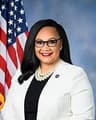
D· Georgia
YRS IN OFFICE
5
BILLS LED
58
COSPONSOR BREAKDOWNBIPARTISAN · 40%
DEM 4 REP 1 IND 0
ACTION TIMELINE
2 EVENTSJUN 5
Introduced in House
JUN 5
Referred to the House Committee on Small Business.
BILL INFO
TypeHouse Bill
NumberHR 3793
Congress119th
StatusIn Committee
IntroducedJun 5, 2025
Last actionJun 5, 2025
READER REACTIONS
OVERALL SENTIMENT
No reactions yet. Be the first to weigh in.
Discussion
Loading comments...
IN COMMITTEE· 119TH CONGRESS · SMALL BUSINESS COMMITTEE · INTRODUCED JUN 5, 2025
House BillHR 3793Commerce
Minority Entrepreneurship Grant Program Act of 2025
INTRODUCED JUN 5, 2025· LAST ACTION JUN 5, 2025
PASSAGE CHANCES
—%
READING
8 min
COSPONSORS
5
COMPLEXITY
Moderate