Bills · HR 378
IN COMMITTEE· 119TH CONGRESS
House BillHR 378First responders and emergency personnelHealth personnel
Thin Blue Line Act
INTRO JAN 14· LAST ACTION JAN 14
READING
2MIN
COSPONSORS
42
READER REACTIONS0 TOTAL
NO VOTES YET · BE THE FIRST
- Introduced only
LEGISLATIVE PROGRESS
STEP 2 / 8Introduced
In Committee
Reported
Passed House
Passed Senate
Conference
To President
Became Law
WHAT THE BILL DOES
AI-writtenThe Americans most directly affected would be individuals who commit, or attempt to commit, murder against federal, state, or local law enforcement officers, firefighters, or other first responders. These individuals would face the possibility of being prosecuted under federal law and potentially receiving the death penalty, which might not have been an option before.
Families of fallen first responders could also be affected, as cases involving their loved ones might now be eligible for federal death penalty prosecution, which could bring a different avenue for justice or a prolonged legal process. Additionally, law enforcement and first responders themselves might feel an increased sense of protection, or it could be seen as an additional deterrent against violence targeting them.
KEY PROVISIONS
2AI-extractedPROVISION 01
Adds 'killing or targeting of a law enforcement officer, firefighter, or first responder' as a new reason (aggravating factor) for imposing the federal death penalty.
This directly expands the types of crimes eligible for the federal death penalty, specifically protecting first responders.
PROVISION 02
Specifies that this factor applies if the victim was engaged in their official duties, targeted because of their duties, or targeted because of their status as a public official or employee.
This clarifies the exact circumstances under which the new aggravating factor would be considered, preventing overly broad application.
SPONSORSHIP
1 + 42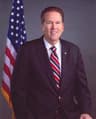
R· Florida
YRS IN OFFICE
19
BILLS LED
46
COSPONSOR BREAKDOWNBIPARTISAN · 4%
DEM 1 REP 41 IND 0
ACTION TIMELINE
2 EVENTSJAN 14
Introduced in House
JAN 14
Referred to the House Committee on the Judiciary.
BILL INFO
TypeHouse Bill
NumberHR 378
Congress119th
StatusIn Committee
IntroducedJan 14, 2025
Last actionJan 14, 2025
READER REACTIONS
OVERALL SENTIMENT
No reactions yet. Be the first to weigh in.
Discussion
Loading comments...
IN COMMITTEE· 119TH CONGRESS · JUDICIARY COMMITTEE · INTRODUCED JAN 14, 2025
House BillHR 378First responders and emergency personnelHealth personnel
Thin Blue Line Act
INTRODUCED JAN 14, 2025· LAST ACTION JAN 14, 2025
PASSAGE CHANCES
—%
READING
2 min
COSPONSORS
42
COMPLEXITY
Moderate