Bills · HR 3765
IN COMMITTEE· 119TH CONGRESS
House BillHR 3765Armed Forces and National Security
FALCONS Act
INTRO JUN 5· LAST ACTION JUN 6
READING
1MIN
COSPONSORS
0
READER REACTIONS0 TOTAL
NO VOTES YET · BE THE FIRST
- Introduced only
LEGISLATIVE PROGRESS
STEP 2 / 8Introduced
In Committee
Reported
Passed House
Passed Senate
Conference
To President
Became Law
WHAT THE BILL DOES
AI-writtenThis bill matters because it directly influences the type of education and training future leaders of the U.S. armed forces receive. If passed, it would change what can be taught and discussed at institutions responsible for shaping military officers, potentially shifting the focus away from certain societal and cultural topics towards others.
Voters should care because it reflects a broader debate about the role of concepts like critical race theory and diversity, equity, and inclusion in public institutions, especially those involved in national security. If this bill becomes law, it means that military officers will be trained without direct instruction on these specific frameworks. If it doesn't become law, service academies would retain the discretion to include such topics in their educational programs as they see fit, potentially allowing a broader range of perspectives on social issues and their impact on the military.
KEY PROVISIONS
3AI-extractedPROVISION 01
Prohibits the use of Federal funds to establish curriculum, or provide training or education based on critical race theory at any Federal service academy.
This directly prevents service academies from integrating critical race theory into their formal teaching or training programs.
PROVISION 02
Prohibits the use of Federal funds to establish curriculum, or provide training or education based on diversity, equity, and inclusion at any Federal service academy.
This specifically restricts academies from using federal money for DEI initiatives, training, or educational content.
PROVISION 03
Applies these prohibitions to all five major Federal service academies, including the Military, Naval, Air Force, Coast Guard, and Merchant Marine Academies.
This ensures a consistent policy across all institutions that train officers for different branches of the U.S. armed forces.
SPONSORSHIP
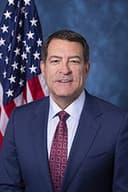
1 + 0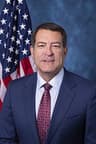
R· Tennessee
YRS IN OFFICE
7
BILLS LED
23
ACTION TIMELINE
3 EVENTSJUN 6
Referred to the Subcommittee on Coast Guard and Maritime Transportation.
JUN 5
Introduced in House
JUN 5
Referred to the Committee on Armed Services, and in addition to the Committee on Transportation and Infrastructure, for a period to be subsequently determined by the Speaker, in each case for consideration of such provisions as fall within the jurisdiction of the committee concerned.
BILL INFO
TypeHouse Bill
NumberHR 3765
Congress119th
StatusIn Committee
IntroducedJun 5, 2025
Last actionJun 6, 2025
READER REACTIONS
OVERALL SENTIMENT
No reactions yet. Be the first to weigh in.
Discussion
Loading comments...
IN COMMITTEE· 119TH CONGRESS · TRANSPORTATION AND INFRASTRUCTURE COMMITTEE · INTRODUCED JUN 5, 2025
House BillHR 3765Armed Forces and National Security
FALCONS Act
INTRODUCED JUN 5, 2025· LAST ACTION JUN 6, 2025
PASSAGE CHANCES
—%
READING
1 min
COSPONSORS
0
COMPLEXITY
Moderate