Bills · HR 371
IN COMMITTEE· 119TH CONGRESS
House BillHR 371Taxation
No Hires for the Delinquent IRS Act
INTRO JAN 13· LAST ACTION JAN 13
READING
2MIN
COSPONSORS
0
READER REACTIONS0 TOTAL
NO VOTES YET · BE THE FIRST
- Introduced only
LEGISLATIVE PROGRESS
STEP 2 / 8Introduced
In Committee
Reported
Passed House
Passed Senate
Conference
To President
Became Law
WHAT THE BILL DOES
AI-writtenVoters should care about this bill because it directly impacts the functioning and public trust of the Internal Revenue Service, the agency responsible for collecting taxes. If this bill becomes law, the IRS could face significant challenges in staffing, especially if there's a need to fill many positions or if a small number of existing employees have outstanding tax issues not covered by exceptions. This could slow down improvements in taxpayer services, the processing of tax returns, and the ability to collect taxes owed.
On the other hand, supporters argue it's important for the IRS, which enforces tax laws, to ensure its own employees are compliant. If it doesn't pass, the IRS would continue to hire new employees regardless of whether existing staff have seriously delinquent tax debts, though internal policies may still address employee tax compliance. The bill connects to broader debates about government accountability and the effectiveness of federal agencies.
KEY PROVISIONS
4AI-extractedPROVISION 01
Prohibits the Internal Revenue Service (IRS) from offering employment to any new individual.
This provision places an immediate hold on all new IRS hiring until a specific condition is met, potentially impacting the agency's operations.
PROVISION 02
The hiring prohibition is lifted only when the Secretary of the Treasury publicly certifies that no current IRS employee has a seriously delinquent tax debt.
This sets a clear, high-level condition for the IRS to resume hiring, linking agency staffing directly to the tax compliance of its existing workforce.
PROVISION 03
Defines "seriously delinquent tax debt" as an outstanding tax debt for which a notice of lien has been filed publicly.
This clarifies the specific type and severity of tax debt that would trigger the hiring freeze, focusing on significant, unaddressed obligations.
PROVISION 04
Excludes certain debts from the "seriously delinquent" definition, such as those being paid under an agreement, those under dispute, or those subject to a levy.
These exceptions ensure that employees actively resolving their tax debts or whose debts are being handled through official processes do not prevent the IRS from hiring.
SPONSORSHIP
1 + 0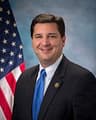
R· North Carolina
YRS IN OFFICE
11
BILLS LED
30
ACTION TIMELINE
2 EVENTSJAN 13
Introduced in House
JAN 13
Referred to the House Committee on Ways and Means.
BILL INFO
TypeHouse Bill
NumberHR 371
Congress119th
StatusIn Committee
IntroducedJan 13, 2025
Last actionJan 13, 2025
READER REACTIONS
OVERALL SENTIMENT
No reactions yet. Be the first to weigh in.
Discussion
Loading comments...
IN COMMITTEE· 119TH CONGRESS · WAYS AND MEANS COMMITTEE · INTRODUCED JAN 13, 2025
House BillHR 371Taxation
No Hires for the Delinquent IRS Act
INTRODUCED JAN 13, 2025· LAST ACTION JAN 13, 2025
PASSAGE CHANCES
—%
READING
2 min
COSPONSORS
0
COMPLEXITY
Moderate