Bills · HR 3682
PASSED HOUSE· 119TH CONGRESS
House BillHR 3682Financial crises and stabilizationCongressional oversight
Financial Stability Oversight Council Improvement Act of 2025
INTRO JUN 3· LAST ACTION FEB 11
READING
2MIN
COSPONSORS
20BIPARTISAN
READER REACTIONS0 TOTAL
NO VOTES YET · BE THE FIRST
- One chamber only
LEGISLATIVE PROGRESS
STEP 4 / 8Introduced
In Committee
Reported
Passed House
Passed Senate
Conference
To President
Became Law
WHAT THE BILL DOES
AI-writtenThis bill matters because it changes a significant power of the FSOC, a body created after the 2008 financial crisis to prevent future meltdowns. The FSOC's ability to designate nonbank companies as "systemically important" means these firms face stricter rules and direct oversight from the Federal Reserve, much like major banks. This is intended to protect the economy from the failure of a large, interconnected financial firm.
If this bill becomes law, it shifts the balance by requiring the FSOC to exhaust less intrusive options before applying the most stringent level of oversight. This could mean fewer nonbank companies ultimately fall under direct Federal Reserve supervision, potentially reducing regulatory burdens for some firms but also raising questions about the speed and effectiveness of addressing emerging systemic risks. If it doesn't pass, the FSOC retains its current, more direct authority to designate companies it deems a threat to financial stability.
KEY PROVISIONS
3AI-extractedPROVISION 01
Requires the Financial Stability Oversight Council (FSOC) to consider alternative actions before voting to designate a nonbank company for Federal Reserve supervision.
This adds a mandatory preliminary step to the FSOC's designation process, potentially delaying or preventing some designations.
PROVISION 02
The alternative actions include applying new standards by existing regulators, or a written plan submitted by the company itself.
It offers nonbank companies and their primary regulators more options to address risks without Federal Reserve oversight.
PROVISION 03
The FSOC must consult with the company and its primary regulator to determine if these alternatives are "impracticable or insufficient."
This ensures dialogue and formal consideration of less restrictive measures before moving to a designation vote.
SPONSORSHIP
1 + 20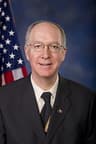
D· Illinois
YRS IN OFFICE
18
BILLS LED
38
COSPONSOR BREAKDOWNBIPARTISAN · 90%
DEM 11 REP 9 IND 0
ACTION TIMELINE
13 EVENTSFEB 11
Received in the Senate and Read twice and referred to the Committee on Banking, Housing, and Urban Affairs.
FEB 9
Mr. Hill (AR) moved to suspend the rules and pass the bill, as amended.
FEB 9
Considered under suspension of the rules. (consideration: CR H2074-2076)
FEB 9
DEBATE - The House proceeded with forty minutes of debate on H.R. 3682.
BILL INFO
TypeHouse Bill
NumberHR 3682
Congress119th
StatusPassed House
IntroducedJun 3, 2025
Last actionFeb 11, 2026
READER REACTIONS
OVERALL SENTIMENT
No reactions yet. Be the first to weigh in.
Discussion
Loading comments...
PASSED HOUSE· 119TH CONGRESS · FINANCIAL SERVICES COMMITTEE · INTRODUCED JUN 3, 2025
House BillHR 3682Financial crises and stabilizationCongressional oversight
Financial Stability Oversight Council Improvement Act of 2025
INTRODUCED JUN 3, 2025· LAST ACTION FEB 11, 2026
PASSAGE CHANCES
—%
READING
2 min
COSPONSORS
20
COMPLEXITY
Moderate