Bills · HR 3681
IN COMMITTEE· 119TH CONGRESS
House BillHR 3681Labor and Employment
Leveraging Educational Opportunity Networks Act
INTRO JUN 3· LAST ACTION JUN 3
READING
10MIN
COSPONSORS
5BIPARTISAN
READER REACTIONS0 TOTAL
NO VOTES YET · BE THE FIRST
- Introduced only
LEGISLATIVE PROGRESS
STEP 2 / 8Introduced
In Committee
Reported
Passed House
Passed Senate
Conference
To President
Became Law
WHAT THE BILL DOES
AI-writtenThis bill matters because it tries to tackle a few big problems at once: the shortage of skilled workers in key industries, ongoing poverty, and economic inequality. Many people without a four-year college degree struggle to find jobs that pay enough to live on, and employers in fast-growing sectors often can't find enough qualified workers.
If this bill becomes law, it would create more opportunities for hands-on job training, give financial help to people who need it to complete training, and strengthen the connection between training programs and real-world jobs that pay a good wage. This could mean more people moving into stable, well-paying careers and a stronger workforce for critical industries. If it doesn't pass, these specific federal grants and the direct support they offer for workforce training would not materialize, leaving these issues to be addressed by existing, potentially insufficient, programs.
KEY PROVISIONS
5AI-extractedPROVISION 01
Directs the Secretary of Labor to establish a competitive grant program for eligible groups to develop and implement workforce training programs.
Creates a new federal funding stream specifically designed to expand targeted job training opportunities across the country.
PROVISION 02
Defines eligible entities as consortia of specific types of organizations, including non-profits, national training organizations, and career/technical education networks.
Ensures that a diverse range of experienced organizations with community ties can collaborate to deliver comprehensive training.
PROVISION 03
Requires grant recipients to offer pre-training support, such as tutoring, employment readiness coaching, and cognitive behavioral techniques, to help enrollees transition and succeed.
Provides crucial holistic support to participants, addressing various barriers they might face in beginning and completing training.
PROVISION 04
Mandates that grant recipients provide need-based stipends to trainees and offer conflict resolution and monthly check-ins with employers who hire program graduates.
Removes financial barriers for participants and helps ensure successful, long-term employment by supporting both the employee and employer post-training.
PROVISION 05
Requires grant recipients to partner with employers who pay a living wage, offer career growth, and actively participate in the training process, including internships and advisory roles.
Ensures that training directly leads to quality job opportunities with good pay and future prospects, while also aligning programs with employer needs.
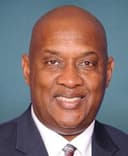
SPONSORSHIP
1 + 5
D· Pennsylvania
YRS IN OFFICE
9
BILLS LED
14
COSPONSOR BREAKDOWNBIPARTISAN · 80%
DEM 2 REP 3 IND 0
ACTION TIMELINE
2 EVENTSJUN 3
Introduced in House
JUN 3
Referred to the House Committee on Education and Workforce.
BILL INFO
TypeHouse Bill
NumberHR 3681
Congress119th
StatusIn Committee
IntroducedJun 3, 2025
Last actionJun 3, 2025
READER REACTIONS
OVERALL SENTIMENT
No reactions yet. Be the first to weigh in.
Discussion
Loading comments...
IN COMMITTEE· 119TH CONGRESS · EDUCATION AND WORKFORCE COMMITTEE · INTRODUCED JUN 3, 2025
House BillHR 3681Labor and Employment
Leveraging Educational Opportunity Networks Act
INTRODUCED JUN 3, 2025· LAST ACTION JUN 3, 2025
PASSAGE CHANCES
—%
READING
10 min
COSPONSORS
5
COMPLEXITY
Moderate