Bills · HR 3648
IN COMMITTEE· 119TH CONGRESS
House BillHR 3648Transportation and Public Works
Transit Captions Innovations Act
INTRO MAY 29· LAST ACTION MAY 30
READING
2MIN
COSPONSORS
0
READER REACTIONS0 TOTAL
NO VOTES YET · BE THE FIRST
- Introduced only
LEGISLATIVE PROGRESS
STEP 2 / 8Introduced
In Committee
Reported
Passed House
Passed Senate
Conference
To President
Became Law
WHAT THE BILL DOES
AI-writtenThis bill matters because it addresses a significant barrier for many Americans trying to use public transportation safely and effectively. Currently, critical announcements about delays, stops, or emergencies can be inaccessible to deaf, hard of hearing, or non-English speaking riders, leading to confusion, missed connections, or even safety concerns. If this bill becomes law, it means more transit systems could install technology that provides instant captions or translations, making essential information immediately understandable to a wider range of passengers.
Without this bill, public transit agencies would likely continue to rely on existing accessibility measures, which may not include real-time, comprehensive transcription and translation for all spoken information. By specifically authorizing and funding these innovative technologies, the bill aims to proactively improve equity and the overall travel experience for millions, ensuring that vital public services are truly accessible to everyone, regardless of their hearing ability or language spoken.
KEY PROVISIONS
3AI-extractedPROVISION 01
Directs the Secretary of Transportation to provide grants for real-time transcription and translation technology in public transit.
This establishes a federal program specifically aimed at improving communication accessibility on public transportation.
PROVISION 02
Expands the types of projects eligible for federal transit formula grants to include the deployment of this technology.
This makes it possible for transit agencies to use existing federal funding streams for these new accessibility improvements.
PROVISION 03
Authorizes specific funding amounts for these grants, starting with $4,000,000 in fiscal year 2027 and increasing annually through 2031.
This ensures dedicated financial resources are available to implement the technology across various transit systems.
SPONSORSHIP
1 + 0
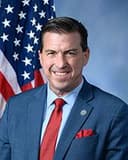
D· California
YRS IN OFFICE
3
BILLS LED
33
ACTION TIMELINE
3 EVENTSMAY 30
Referred to the Subcommittee on Highways and Transit.
MAY 29
Introduced in House
MAY 29
Referred to the House Committee on Transportation and Infrastructure.
BILL INFO
TypeHouse Bill
NumberHR 3648
Congress119th
StatusIn Committee
IntroducedMay 29, 2025
Last actionMay 30, 2025
READER REACTIONS
OVERALL SENTIMENT
No reactions yet. Be the first to weigh in.
Discussion
Loading comments...
IN COMMITTEE· 119TH CONGRESS · TRANSPORTATION AND INFRASTRUCTURE COMMITTEE · INTRODUCED MAY 29, 2025
House BillHR 3648Transportation and Public Works
Transit Captions Innovations Act
INTRODUCED MAY 29, 2025· LAST ACTION MAY 30, 2025
PASSAGE CHANCES
—%
READING
2 min
COSPONSORS
0
COMPLEXITY
Moderate