Bills · HR 3582
IN COMMITTEE· 119TH CONGRESS
House BillHR 3582Crime and Law Enforcement
No revolving doors in FMS Act of 2025
INTRO MAY 23· LAST ACTION MAY 23
READING
2MIN
COSPONSORS
6BIPARTISAN
READER REACTIONS0 TOTAL
NO VOTES YET · BE THE FIRST
- Introduced only
LEGISLATIVE PROGRESS
STEP 2 / 8Introduced
In Committee
Reported
Passed House
Passed Senate
Conference
To President
Became Law
WHAT THE BILL DOES
AI-writtenThis bill addresses a common concern about the "revolving door" phenomenon, where former government officials move into private sector jobs and lobby their former colleagues, potentially creating conflicts of interest or giving special access to certain groups. By specifically targeting foreign military sales, the bill aims to ensure that decisions about selling U.S. weapons abroad are made purely on national security and foreign policy grounds, rather than being influenced by individuals who previously had a direct role in those decisions.
If this bill becomes law, it could increase public trust in how foreign military sales are conducted by reducing the perception of undue influence. If it doesn't pass, the existing rules would remain, which means former State and Defense Department employees, after certain time limits or specific work restrictions, could still lobby on foreign military sales, potentially raising continued concerns about conflicts of interest in these high-stakes international deals.
KEY PROVISIONS
3AI-extractedPROVISION 01
Prohibits former State Department and Department of Defense employees from lobbying the federal government on foreign military sales.
This directly targets the 'revolving door' issue for a specific and sensitive area of government activity.
PROVISION 02
The prohibition applies to former employees who participated in foreign military sales programs within 3 years before leaving federal service.
This establishes a clear criteria for who is subject to the ban, focusing on recent involvement and expertise.
PROVISION 03
Violation of this prohibition would result in penalties as defined in existing law (18 U.S.C. 216).
This provides a legal consequence to enforce the new lobbying restrictions, making the prohibition enforceable.
SPONSORSHIP
1 + 6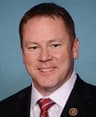
R· Ohio
YRS IN OFFICE
10
BILLS LED
43
COSPONSOR BREAKDOWNBIPARTISAN · 67%
DEM 4 REP 2 IND 0
ACTION TIMELINE
2 EVENTSMAY 23
Introduced in House
MAY 23
Referred to the House Committee on the Judiciary.
BILL INFO
TypeHouse Bill
NumberHR 3582
Congress119th
StatusIn Committee
IntroducedMay 23, 2025
Last actionMay 23, 2025
READER REACTIONS
OVERALL SENTIMENT
No reactions yet. Be the first to weigh in.
Discussion
Loading comments...
IN COMMITTEE· 119TH CONGRESS · JUDICIARY COMMITTEE · INTRODUCED MAY 23, 2025
House BillHR 3582Crime and Law Enforcement
No revolving doors in FMS Act of 2025
INTRODUCED MAY 23, 2025· LAST ACTION MAY 23, 2025
PASSAGE CHANCES
—%
READING
2 min
COSPONSORS
6
COMPLEXITY
Moderate